Author Archives: admin

PSTN Switch-Off: How It Will Affect Your Lift Emergency Alarm

Emergency call button (Large)

PSTN Switch-Off 2027: Is Your Lift Emergency Alarm Compliant?

The UK’s analogue telephone network is being switched off for good. By January 2027, every home and business in the country will have moved from traditional copper landline services to digital technology. For most people, that means plugging their phone into a router instead of a wall socket to maintain connectivity. For building owners with a passenger lift, it means something far more consequential.
If your lift’s emergency alarm still runs on an analogue phone line, it will stop working when the switchover happens. And when it stops working, your lift emergency alarm stops being legally compliant.

What Is the PSTN Switch-Off and How Does It Affect Your Lift?

PSTN stands for Public Switched Telephone Network. It is the copper wire telephone infrastructure that has been the backbone of UK communications since the nineteenth century. BT Openreach has confirmed it will be retired permanently by January 2027, with all services migrating to digital alternatives such as VoIP (Voice over Internet Protocol) or mobile networks.
The deadline for the PSTN switch has already been delayed once, moved from December 2025 to January 2027 to allow more time to protect vulnerable telecare users. No further extension is expected. The rollout is also happening in phases, meaning some areas have already had their PSTN lines decommissioned ahead of the national deadline. If your building is in one of those areas, your lift emergency alarm may already be at risk due to the PSTN switch.

How the PSTN Switch-Off Affects Your Lift Alarm

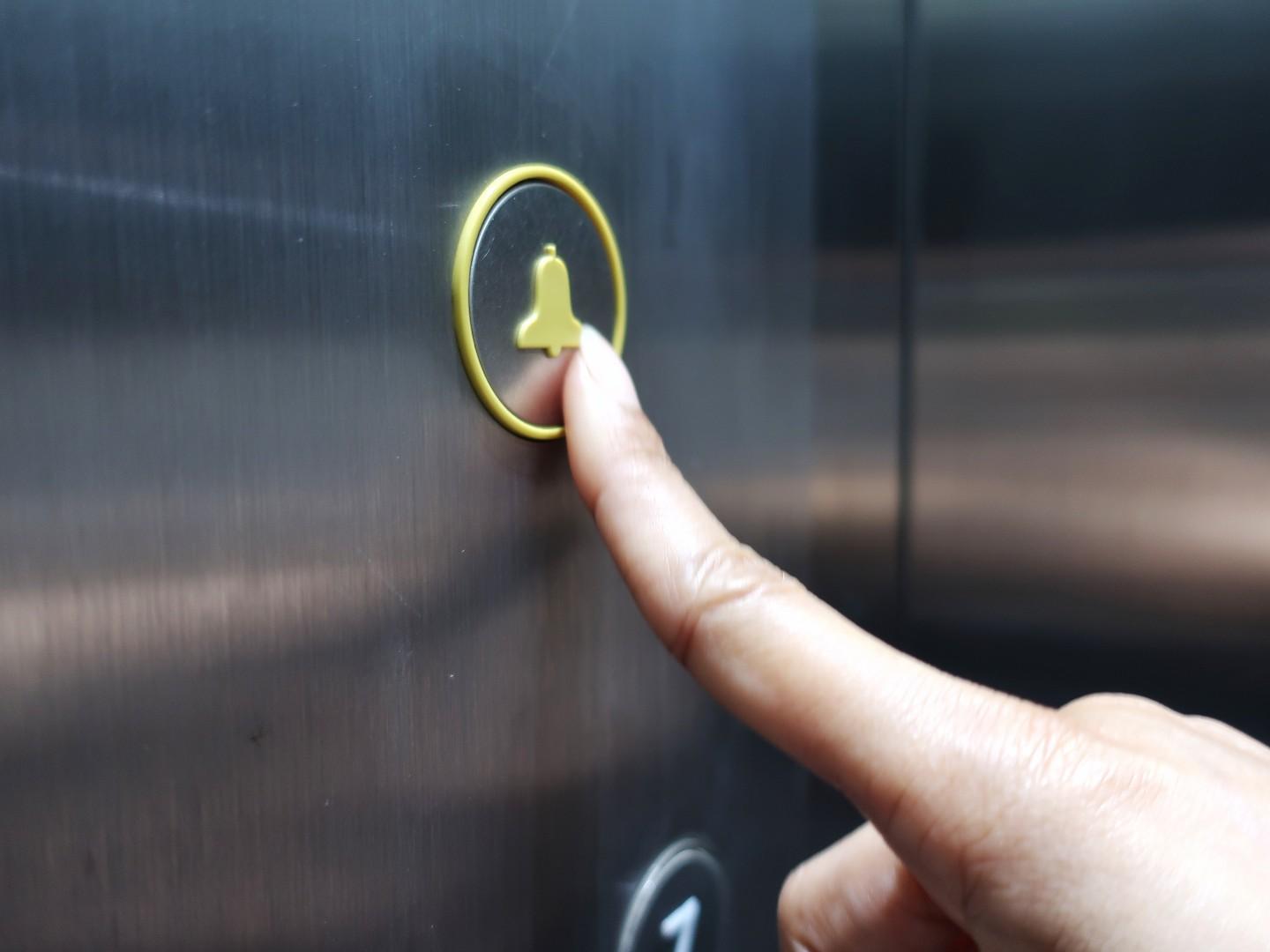
Most passenger lifts in the UK rely on an analogue phone line to power their emergency communication system. When a passenger presses the alarm button inside the lift car, it automatically dials a monitoring centre or rescue service. That connection runs over the PSTN.
When the PSTN is switched off, that connection is severed. The lift itself may still run perfectly. The alarm button will still light up. But the call will not go through. There will be no alert, no response, and no way for a trapped passenger to make contact with the outside world.
This is what the industry calls a silent failure. The system appears active, but it is incapable of alerting emergency services. It is one of the most serious risks associated with the switchover because building owners may not realise there is a problem until a real emergency occurs.

Is Your Lift Alarm Legally Compliant?

Lift emergency communication is not optional. Under BS EN 81-28, the British standard governing remote alarm systems for passenger and goods passenger lifts, every lift must have a two-way communication system capable of connecting a trapped person to a rescue service within 30 seconds, 24 hours a day, seven days a week. The standard also requires automated test calls every 72 hours and dedicated battery backup so the emergency phones continue to function during a power cut.
Alongside EN 81-28, lift owners are bound by the Lifting Operations and Lifting Equipment Regulations 1998 (LOLER) and the Health and Safety at Work Act 1974, both of which require lifts to be maintained in a safe condition. For residential buildings, the Landlord and Tenant Act places further obligations on freeholders and managing agents to keep communal lifts in safe working order.
Responsibility for compliance sits with the building owner or the management company acting on their behalf. A lift contractor has a duty to install and maintain a compliant system, but the building owner cannot delegate away the underlying liability. After the PSTN switch-off, any lift telephone that depends on a copper landline will be in direct breach of EN 81-28. There is no grace period.
The consequences of non-compliance extend beyond regulatory risk. Failing to upgrade can also invalidate building insurance. Many policies require functioning alarm systems as a condition of cover, and a non-compliant emergency telephone could leave a claim rejected at exactly the wrong moment.

Upgrading Your Lift from Analogue to Digital

The good news is that upgrading does not always mean replacing the entire lift. There are several routes available depending on the age and condition of your existing equipment, from a simple connectivity fix through to a full lift modernisation.

GSM or 4G Cellular Module

For many lifts, the most straightforward solution is replacing the analogue auto-dialler with a GSM or 4G cellular module. This removes the dependency on a fixed phone line entirely, routing emergency calls over the mobile network instead. A roaming SIM card that connects to whichever UK network has the strongest signal at that location provides the best coverage, particularly in basements, underground car parks, or rural areas where a single network may have weak signal. The module should include its own battery backup to maintain operation during a power outage, since digital systems do not carry the low-voltage current that kept analogue lines active during power cuts.

VoIP Adapter or Gateway

Where a building already has a reliable internet connection, a VoIP adapter can sit between the existing lift alarm autodialler and the digital network, translating the analogue signal without the need to replace the lift controller itself. This is often the most cost-effective route for estates with multiple lifts and existing broadband infrastructure.

Full Lift Modernisation

Where the alarm system is outdated, a retrofit may be the right approach but it is also worth assessing the wider lift. If the control system, cabin finishes, or mechanical components are ageing, combining the alarm upgrade with a broader modernisation programme avoids the disruption and cost of two separate interventions. It is also an opportunity to bring the lift fully up to current standards under BS EN 81-80, which covers the upgrading of existing lifts for safety, and EN 81-70, which addresses accessibility requirements.

Act Before the PSTN Switch-Off Deadline

The switch-off deadline has a way of feeling distant until it is not. Demand for retrofit equipment and qualified lift engineers is rising as the January 2027 date approaches. Building portfolios with multiple lifts, mixed-age equipment, and complex signalling arrangements need time to assess and plan properly.
There is also the phase-out issue. Some exchanges have already been migrated. If your building is in one of those areas, your lift alarm may be unreliable right now, not in January 2027. The only way to confirm compliance is to have the emergency alarms in lifts audited.
Planning ahead also means avoiding the scramble. Those who leave it until late 2026 risk longer lead times, higher costs, and gaps in cover while work is being carried out.

How VM Elevators Can Help With Your Lift Alarm Upgrade

We carry out lift alarm upgrades and full modernisation programmes across London, Essex, and the Home Counties, working across every lift type and every sector.
If your current alarm system is using analogue then PSTN switch-off means your alarm upgrade is not optional. If your lift’s wider components are also ageing, it makes sense to address both under a single programme rather than face two separate rounds of disruption and cost.
Not sure whether your lift is PSTN-dependent? Contact us to arrange a site visit

Lift Regulations 2016 for Passenger Lifts and Escalators

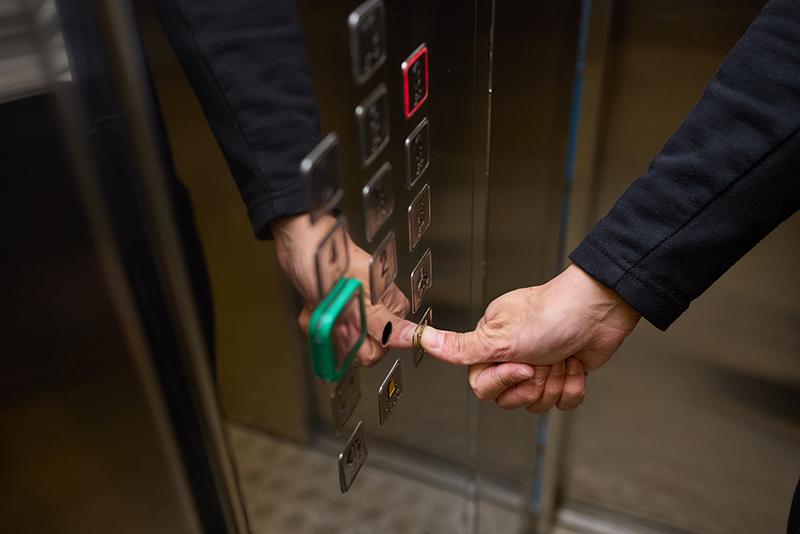
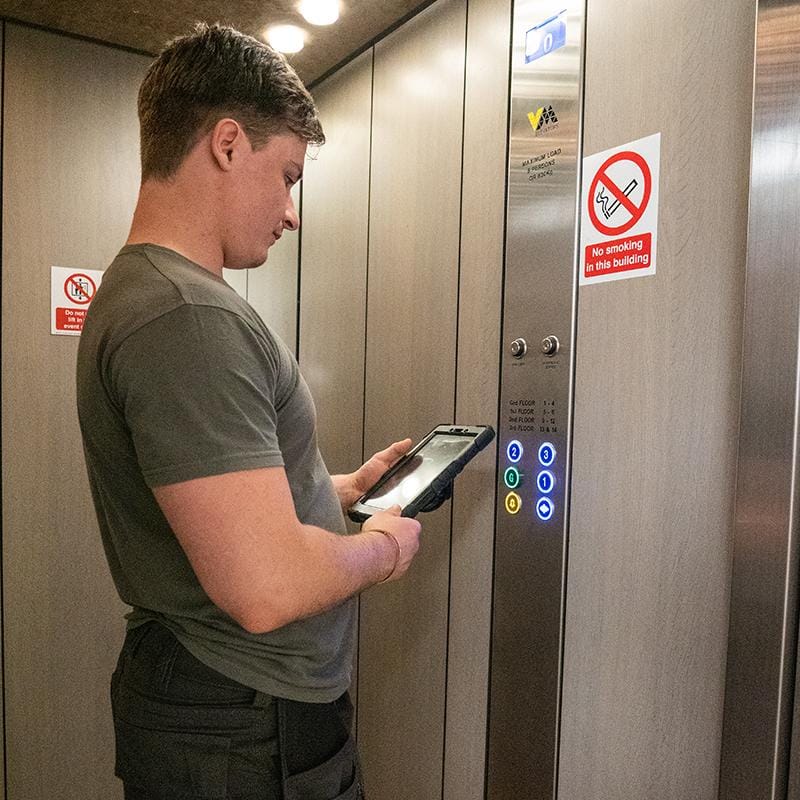
CloseUp of Hand Pressing Elevator Button Person Operating Modern Building Lift

UK Lift Maintenance Regulations: What Building Owners and Facilities Managers Must Know

If you own or manage a building with a lift, you have specific legal obligations that go well beyond simply keeping it running. UK law places enforceable duties on building owners, landlords and facilities managers, and failing to meet them can result in HSE enforcement action, unlimited fines, invalidated insurance, and serious liability if someone is injured.

This guide covers every key regulation and standard that governs lift maintenance in the UK, in plain English. We also highlight the details that most guides miss – including a distinction that could change your obligations entirely.

Lift maintenance regulations

First: Does LOLER Apply to Your Lift?

Most guides skip straight to LOLER without explaining who it actually applies to. Getting this wrong matters.

LOLER only applies to lifts used by people at work.

If your lift is used by employees – in an office, warehouse, factory, or any workplace – LOLER applies in full, and the requirements are mandatory.

What about lifts used only by members of the public?

In a public area of a shopping centre, hotel, or retail space where the lift is not primarily used by employees, LOLER may not apply directly. However, under Section 3 of the Health and Safety at Work Act 1974, you still have a general duty of care to members of the public. The HSE’s guidance makes clear that a similar regime of maintenance, inspection and thorough examination to that required under LOLER is likely to be “reasonably practicable” and insurers will typically require it regardless.

In practice, for almost every building with a passenger lift, LOLER-equivalent standards apply. The distinction matters legally, but not operationally.

The Core Regulations

Lifting Operations and Lifting Equipment Regulations 1998 (LOLER)

LOLER is the primary legislation governing lifts in UK workplaces. It is enforced by the Health and Safety Executive (HSE) and creates specific duties for anyone responsible for lifting equipment used at work.

Under LOLER you must:

  • Ensure that the lift is thoroughly examined by a competent person at statutory intervals to meet the regulations 2008.
  •  For passenger-carrying lifts: thorough examination at least every six months
  • For lifts carrying goods only: thorough examination at least every twelve months
  • Act on any defects or recommendations raised – within the timeframes specified
  • Keep written records of every thorough examination

Thorough examination is not the same as routine servicing. This is the most commonly misunderstood aspect of LOLER. A thorough examination is a formal, documented inspection by an independent competent person and it is in addition to your regular maintenance visits, not a replacement for them.

What does a LOLER thorough examination cover?

A competent examiner will systematically check all safety-critical components, including:

  • Landing and car doors and their interlocks
  • Suspension ropes or chains are critical components in the lift installation process.
  • Safety gear and overspeed governors are essential safety components for lifts.
  • Braking systems
  • Hydraulic systems (where applicable)
  • Electrical safety devices
  • Overload detection devices must meet the safety requirements outlined in the regulations 2016.
  • Main drive system components

Examination schemes: the alternative to fixed intervals

Rather than defaulting to 6-monthly examinations, a competent person can draw up a written examination scheme tailored to your specific lift. The scheme may specify different intervals which could be longer or shorter, based on a thorough risk assessment of the lift’s type, usage, age and condition. An examination scheme can be particularly appropriate for infrequently used lifts or specialist equipment. However, it must be drawn up by a genuinely competent person and properly documented.

What is Form F2?

Following every thorough examination, the competent person is legally required to provide you with a written report which is commonly known as Form F2 (or equivalent) safety requirements. This report must be received within 28 days of the examination, or sooner if a dangerous defect is found.

The report will classify any defects found into categories, including those related to safety components for lifts.

  •  Immediate danger.  The lift must be taken out of service immediately!
  • Time-limited defect . The lift can continue in use, but the defect must be remedied by a specified date
  • Observation. Recommended improvements that are not immediately safety-critical

Keep all Form F2 reports as they are your primary evidence of compliance.

Provision and Use of Work Equipment Regulations 1998 (PUWER)

PUWER places duties on businesses to ensure that all work equipment – including lifts – is:

  • Suitable for its intended purpose and for the conditions in which it is used
  • Maintained in a safe condition at all times to adhere to the safety requirements of lift regulations.
  •  Inspected by a competent person at appropriate intervals
  • Used only by people who have been given adequate information, instruction and training in accordance with the machinery directive.

For lift owners, PUWER effectively makes a regular maintenance contract a legal requirement, not just good practice. A lift that is not routinely serviced and kept in safe working order is in breach of PUWER.

Health and Safety at Work Act 1974

The overarching legislation underpinning all workplace health and safety in Great Britain. It places a general duty on employers to ensure, so far as is reasonably practicable, the health, safety and welfare of employees and anyone else affected by their operations – including building visitors and members of the public. A lift that is poorly maintained and causes injury can result in prosecution under this Act, even if other specific regulations are technically being met.

Management of Health and Safety at Work Regulations 1999 (MHSWR)

These regulations require employers to implement processes to identify and control health and safety risks associated with lifts and safety components. For lifts, this means carrying out a risk assessment, implementing a suitable maintenance programme, and keeping records of your preventative and protective measures.

The Key Industry Standard: BS EN 13015

Alongside the legal regulations, BS EN 13015:2001+A1:2008 The British Standard regulations apply that set out the technical requirements for lift and escalator maintenance programmes. It specifies what maintenance instructions manufacturers must provide, what a maintenance programme should cover, and what records must be kept.

BS EN 13015 is not itself a legal requirement, but it represents the accepted industry benchmark for competent maintenance. Any reputable lift maintenance contractor should work to this standard. It is frequently referenced in insurance assessments and legal proceedings when determining whether a duty of care has been met.

Building Regulations and Accessibility

Approved Document M – Accessibility

Part M of the Building Regulations (England and Wales) sets out the access requirements for buildings in accordance with the lift regulations. While it primarily governs new construction and major refurbishments, it defines the standard your lift is expected to maintain. Ongoing maintenance plays a direct role in keeping your lift accessible to all users including those with disabilities.

Approved Document B – Fire Safety

Part B covers fire safety in buildings, including requirements for firefighting lifts, evacuation lifts, and the fire rating of lift doors and enclosures. Ensuring that fire-rated components associated with your lift are maintained and functional is part of your fire safety compliance obligation under the lifts regulations 2016.

The Equality Act 2010

The Equality Act requires building owners to take reasonable steps to remove barriers for disabled people. For many users including wheelchair users, people with mobility impairments, and others,  the lift is the only viable means of vertical access. A lift that is out of service due to neglected maintenance, or that has deteriorated to the point where it no longer meets accessibility standards, can expose you to claims under the Equality Act.

What Happens When a Defect Is Found

Your obligations when a defect is reported are clearly defined under LOLER:

  • If the defect poses immediate danger you must take the lift out of service immediately to comply with the machinery directive. Do not wait. Continuing to use a lift with a known dangerous defect is a criminal offence.
  • If a time-limited defect is specified you must arrange repair before the deadline stated in the Form F2 report. After that date, the lift must not be used until the defect is remedied.
  • In all cases you should keep the Form F2 report on file, document the action you took, and record when the remedial work was completed to ensure compliance with the declaration of conformity.

The HSE can request to see your examination reports and maintenance records at any time. If a serious incident occurs and you cannot demonstrate that you acted on defect reports promptly, your liability is significantly increased.

Consequences of Non-Compliance

Non-compliance with lift maintenance regulations carries serious risks:

  • HSE enforcement action – improvement notices, prohibition notices (which shut the lift down immediately), or prosecution
  • Unlimited fines – there is no upper limit on fines for health and safety offences in the UK
  • Criminal prosecution – company directors and senior managers can be personally prosecuted in serious cases
  •  Civil liability – if a person is injured on a poorly maintained lift, you may face a personal injury claim that is very difficult to defend without adequate maintenance records
  •   Insurance invalidation – most commercial property and public liability policies require evidence of regular maintenance and thorough examinations; failure to maintain records can invalidate your cover entirely
  • Reputational damage – particularly severe in healthcare, hospitality, residential property management, and public-sector settings

Selecting a Competent Person

LOLER repeatedly refers to work being carried out by a competent person. This has a specific meaning: the person must have sufficient technical and practical knowledge of lifts to detect defects and assess their significance.

Critically, the competent person carrying out the thorough examination should be independent from the company that carries out routine maintenance. Having the same engineer examine their own work is not considered sufficiently impartial to meet the regulations that apply for safety compliance. Many building owners arrange for their insurer or an independent inspection body to carry out LOLER examinations.

When selecting a lift maintenance contractor, look for:

  • Membership of the Lift and Escalator Industry Association (LEIA)
  • Accreditations such as CHAS Elite, Constructionline Gold or SafeContractor
  • Clear contractual terms covering visit frequency, response times, and exactly what each visit covers
  • Documented processes for record keeping and defect reporting must comply with the safety requirements outlined in the regulations 2016.

Record Keeping: What to Retain and for How Long

Good records are your primary defence in any enforcement action or civil claim. You should retain:

  • All LOLER thorough examination reports (Form F2 or equivalent)
  • Maintenance visit records, including components checked and any work carried out
  • Records of repairs, part replacements and emergency callouts
  • Risk assessments relating to the lift
  • Documentation of defects raised and the actions taken to resolve them

There is no fixed statutory minimum retention period, but five years is the widely accepted industry minimum. Some legal advisors recommend retaining records for up to ten years, particularly for lifts with a history of defects or repairs.

Practical Compliance Checklist for Building Owners

Use this as a quick reference to confirm you are meeting your obligations:

  • Lift maintenance contract in place with a reputable, accredited provider
  •  LOLER thorough examinations carried out at least every 6 months (passenger lifts) or 12 months (goods lifts) are in accordance with the lift regulations.
  •  Form F2 reports received within 28 days of each examination
  • All defects acted on within specified timescales as required by the lift regulations.
  • Maintenance visit records kept and up to date
  • Risk assessment for the lift completed and reviewed periodically
  • Records retained for a minimum of five years
  • Emergency callout procedure in place for breakdowns and entrapments

Lift Maintenance in London, Essex and the Home Counties

If your building is in London, Essex, or the surrounding home counties, VM Elevators provides planned preventative maintenance contracts for passenger lifts, goods lifts, platform lifts and escalators across the region.

We hold CHAS Elite accreditation, Constructionline Gold status, and are members of LEIA – providing the independent assurance that your maintenance programme meets the standards required by UK law. Our engineers carry full maintenance records, provide documentation aligned with LOLER and PUWER requirements, and respond to emergency callouts 24 hours a day, 7 days a week.

Speak to our team about a maintenance contract for your building.

Areas covered: London · Essex · Berkshire · Cambridge · Canterbury · Chelmsford · Colchester · Croydon · Gillingham · Hampshire · Luton · Maidstone · Middlesex · Milton Keynes · Norwich · Oxford · Reading · Southend · Surrey · Sussex · Watford

VM Elevators Ltd is a LEIA member, CHAS Elite accredited, Constructionline Gold verified, and SafeContractor approved. We provide lift maintenance, repair, installation and modernisation services across London, Essex and the Home Counties.

UK Comprehensive Lift Maintenance & Service Contracts

Lift maintenance how often vmelevators

Lift Maintenance Contracts: A Complete Guide for UK Building Owners

If your building contains a passenger lift, goods lift, or platform lift, a lift maintenance contract isn’t optional it’s a legal necessity. But not all contracts are equal, and the difference between a well-structured agreement and a poorly written one can mean unexpected repair bills, compliance failures, or extended downtime when a breakdown occurs.

This guide covers everything you need to know about lift maintenance contracts in the UK: what they are, what they must include, the different types available, how pricing works, and the contract terms that matter most when it comes to protecting your building and your budget.

Why a Lift Maintenance Contract is a Legal Requirement

Under UK law, building owners and managers have clear legal duties when it comes to their lifts. These obligations are set out across three key pieces of legislation.

The Health and Safety at Work etc. Act 1974

This Act places a general duty of care on employers and building owners to ensure that equipment, including lifts is safe for use by employees and members of the public. Where a lift is provided for use in a workplace, the building owner is the ‘duty holder’ responsible for its safe condition. A maintenance contract is the practical mechanism through which this duty is discharged.

PUWER (Provision and Use of Work Equipment Regulations 1998)

PUWER applies to any lift used by employees or in a workplace setting. It requires that work equipment is maintained in an efficient state, in efficient working order, and in good repair. The regulations specify that maintenance records must be kept  and your maintenance contract and its associated service reports are your PUWER compliance documentation.

It is worth noting that PUWER applies only to lifts used in connection with work. A lift in a residential building used solely by residents is not covered by PUWER, though other safety duties still apply.

LOLER (Lifting Operations and Lifting Equipment Regulations 1998)

LOLER goes further than PUWER by requiring thorough independent examinations which are like an ‘MOT-style’ inspection for lifts and they are conducted at defined intervals. For passenger lifts, this means at least every six months. For goods-only lifts, at least once every twelve months.

A LOLER examination must be carried out by a competent person who is sufficiently independent of the organisation managing the day-to-day maintenance. This independence requirement is important: the person conducting the thorough examination should not be the same person or organisation responsible for routine servicing, to avoid conflicts of interest. The examination record, known as the report of thorough examination, must be kept and made available to the relevant enforcing authority if requested.

A maintenance contract does not replace the LOLER thorough examination and the two are separate obligations. Many building owners arrange both through the same provider for convenience, but the examiner must still maintain their independence from the maintenance function.

CTA for VM – We provide Comprehensive lift maintenance contracts 

Types of Lift Maintenance Contract

UK providers typically offer maintenance agreements in tiers, ranging from basic cover to fully comprehensive packages. Understanding the differences is essential to choosing a contract that matches your building’s needs.
Packages can differ by supplier but below are a list of the common ones

NEED INFO ON OUR CONTRACTS FOR THE BELOW

 Planned preventative maintenance 

The most basic form of cover. A planned preventative maintenance (PPM) contract covers routine servicing visits, during which the engineer lubricates moving components, cleans door contacts, checks safety devices, and carries out minor adjustments.

Labour for breakdowns, emergency call-outs, and replacement parts are not included and are charged additionally. This tier is typically suitable only for new lifts still under warranty, or very low-usage equipment in low-risk environments.

Semi-Comprehensive Contracts

A mid-tier option that includes scheduled servicing visits plus a defined number of emergency call-outs within normal working hours. Parts may or may not be included depending on the provider and the specific contract terms, this varies widely, so clarification is essential before signing.

This tier works well for medium-usage commercial lifts where the budget does not stretch to fully comprehensive cover, but where unpredictable call-out charges would be a problem.

Comprehensive (Full Maintenance) Contracts

The most complete form of cover, a comprehensive contract includes all of the following:

        Unlimited scheduled servicing visits

        Emergency call-outs (typically 24 hours a day, seven days a week)

        Labour for all breakdown repairs

        Most replacement parts, including major components such as motors, drives, and ropes

        Response time guarantees for entrapments and general faults

The key word is ‘most’ as even comprehensive contracts typically exclude certain items, such as vandalism repairs, major structural works, or components made obsolete by age or manufacturer discontinuing them. Always review your lift service agreements for any exclusions carefully.
At VM all of our lift maintenance contracts include contain full transparency so you do not receive any surprise costings during your routine lift service 

Comprehensive contracts are strongly recommended for high-traffic passenger lifts in commercial buildings, hospitals, residential blocks, and any environment where a breakdown would create significant disruption or safety risk.

Bespoke and Tailored Contracts

For larger building portfolios or specialist environments, providers will often agree custom arrangements that combine elements from multiple tiers, set specific KPIs, or include additional services such as condition monitoring or reporting dashboards. These are worth exploring if you manage multiple lifts across different sites.

Contract Type

Servicing Visits

Emergency Call-Outs

Parts Included

Best For

Planned preventative maintenance 

Included

Charged extra

Not included

New lifts / very low usage

Semi-Comprehensive

Included

Limited / in-hours

Partial / varies

Medium-usage commercial

Comprehensive

Included (unlimited)

Included 24/7

Most parts included

High-traffic / high-risk lifts

Bespoke

Agreed per contract

Agreed per contract

Agreed per contract

Multi-site portfolios

What a Lift Maintenance Contract Should Include

Regardless of the tier you choose, a well-drafted lift maintenance contract should specify the following clearly and unambiguously.

Scope of Equipment Covered

The contract should list every piece of equipment covered by name, type, and location. If you have multiple lifts across several floors or buildings, each should be itemised. Assumptions about what is and isn’t included can be costly.

Visit Frequency and Schedule

The number of scheduled servicing visits per year should be stated explicitly. The minimum recommended is four visits per year for a standard commercial passenger lift; high-traffic installations may require more frequent attention. The contract should also specify what each visit covers not just that a visit will take place.

Response Time Commitments

For entrapment situations, industry expectation is a one-hour response time. For general faults, response times of four hours or less are reasonable for commercial buildings. These commitments should be written into the contract with clear definitions, not left as vague aspirations.

Check whether response time guarantees apply only during standard working hours or on a 24/7 basis. For residential blocks or buildings open outside office hours, 24-hour cover may be essential.

Documentation and Record-Keeping

Your provider should supply written service reports after every visit, detailing the work carried out, any defects identified, and any remedial action recommended. These records are your evidence of compliance under PUWER and LOLER, and you may need them in the event of an insurance claim or HSE inspection.

The lift maintenance logbook, which must be kept on-site and accessible to any lift personnel and should be updated after each visit. Confirm that your provider will do this as part of the contracted service.

Parts and Labour Exclusions

This is the area where contract disputes most commonly arise. Even comprehensive contracts will have an exclusions schedule. Common exclusions include:

        Vandalism, misuse, or damage caused by third parties

        Works required as a result of changes to legislation after the contract was signed

        Major structural modifications or building works

        Obsolescence: parts that can no longer be sourced for older lifts

        Decorative or cosmetic elements of the lift car

Ask your provider to walk through the exclusions schedule at the quotation stage. Understanding what isn’t covered is just as important as understanding what is.

Escalation and Price Review Clauses

Most contracts include annual price adjustment mechanisms, often linked to an index such as the Consumer Price Index (CPI) or the Retail Price Index (RPI). These are standard and reasonable, but you should know the cap as some contracts allow uncapped increases, which can cause significant budget pressure over a multi-year term. Negotiate a cap of no more than CPI plus 2% (WHAT PERCENT DO OURS INCREASE?) as a starting position.

Entrapment Procedures

The contract should confirm that the provider maintains a 24-hour rescue service for passengers trapped in the lift car. This is not just good practice but it is a requirement under EN 81-28, the European standard for remote alarms on passenger and goods lifts. Confirm that the contract includes remote monitoring and alarm response if applicable.

Red Flags to Watch for in a Lift Maintenance Contract

Not all contracts are written in the building owner’s interest. Before signing, watch for the following.

Vague Language Around Parts

Phrases such as ‘subject to availability’ or ‘fair wear and tear’ in the parts coverage section give the provider significant discretion to decline claims. Ask for specific confirmation of which major components so your drives, ropes, control gear, motors etc. area all included or excluded.

Exclusivity Clauses

Some contracts contain clauses that prevent you from engaging any other lift company for repairs or emergency work during the contract term. While exclusivity is not inherently unreasonable and working with your provider to fix the issue is the best case of action 99% of the time, a clause that prevents you from seeking urgent help when your provider cannot respond promptly is a problem. Check this carefully. Your provider not being able to respond promptly though is a red flag of it’s own.

Proprietary Equipment Lock-In

Larger national providers sometimes install proprietary components or communication systems that can only be serviced by that provider, effectively locking you in at renewal. When procuring a new lift or modernisation, specify open-protocol equipment in the installation contract to preserve your freedom to switch maintenance providers later.  At VM we provided maintenance only in the London and the South East area and the job will be carried out by our inhouse engineers so you will never have this issue with us.

Automatic Renewal Clauses

Many contracts include automatic renewal provisions, whereby the contract rolls over for a further term unless you give notice to cancel within a specified window which is often 90 days before expiry. Miss the window and you may find yourself committed to another year at the same or higher price. Diary the notice deadline from day one.

Unlimited Price Escalation

As noted above, uncapped price adjustment clauses carry real risk over a multi-year term. Always negotiate a ceiling.

How to Compare Lift Maintenance Contract Quotes

When comparing quotes from multiple providers, a like-for-like comparison requires you to look beyond the headline annual price. Use the following framework.

Total Cost of Ownership

Calculate the true annual cost by adding the contract fee to any likely out-of-contract costs: call-out charges, parts not covered, after-hours premiums. A lower headline price on a basic contract may cost significantly more in aggregate than a higher-priced comprehensive one.

Service Visit Scope

Two providers quoting four visits per year may offer very different scopes of work during each visit. Ask for a copy of the planned preventative maintenance schedule,  the checklist of tasks the engineer will carry out  and compare these directly.

Response Time Guarantees

Confirm whether response time commitments are contractual obligations or targets. A contractual commitment carries consequences if missed; a target does not.

Engineer Qualifications and Accreditation

Your maintenance provider’s engineers should hold relevant industry qualifications and be in good standing with the relevant organisations. Look for LEIA (Lift and Escalator Industry Association) membership as a baseline indicator of professional standards. CHAS, Constructionline, and SafeContractor accreditations indicate that the company has passed third-party vetting for health and safety competence. We have all of certifications provided in the footer of our website and on our compliance page which link to our profiles to demonstrate this. 

Independence for LOLER Examinations

If you are arranging both maintenance and LOLER thorough examinations through the same company, confirm how independence is maintained between the maintenance team and the examination team. The examiner must be genuinely independent and a separate engineer in a separate team is acceptable; the same engineer wearing ‘two hats’ is not. That is one of the reasons VM steers entirely away from LOLER examinations and our focus is purely on maintenance and keeping your businesses and operations moving.

Switching Lift Maintenance Provider

If you are unhappy with your current provider, switching at contract renewal is straightforward. Mid-contract exit is more complex and usually involves reviewing the termination provisions in your agreement.

Before switching, arrange a condition survey of your lift with the prospective new provider. This protects you from inheriting any pre-existing defects and establishes a clear baseline for the new contract. A reputable provider will include this at no charge as part of the onboarding process.

When transferring to a new provider, ensure you obtain copies of all maintenance records, service reports, and LOLER examination reports held by your outgoing provider. You are legally entitled to these documents.

Lift Maintenance Contract Costs: What to Expect

Pricing varies significantly based on lift type, age, usage intensity, and the tier of cover selected. The following ranges are indicative for the UK market.

Should we include price ranges?

Lift Type

Basic / POG Contract

Comprehensive Contract

Domestic / residential lift

from to

from to

Platform lift (commercial)

from to

from to

Passenger lift (low traffic)

from to

from to

Passenger lift (high traffic)

from to

from to

Goods / service lift

from to

from to

 These figures are for single-lift contracts. Multi-lift portfolios typically attract volume discounts. Lifts over 20 years old may attract a premium, or providers may require a condition survey before quoting for comprehensive cover.


Lift Maintenance Contract Checklist

Before signing any lift maintenance agreement, work through the following checklist.

        All equipment is correctly listed by type, model, and location

        Visit frequency and scope of each visit are clearly stated

        Response times for entrapment and general faults are contractual commitments, not targets

        Out-of-hours cover is explicitly defined

        Parts and labour exclusions schedule has been reviewed and understood

        LOLER thorough examination arrangements are confirmed separately from routine maintenance

        Independence of the LOLER examiner is confirmed if using the same provider for both

        Price escalation mechanism has a defined cap

        Automatic renewal clause and notice period have been noted in your diary

        Exclusivity clauses have been reviewed and do not prevent emergency assistance

        Provider holds relevant accreditation: LEIA membership, CHAS, Constructionline, or equivalent

        Documentation and record-keeping obligations are confirmed

Lift Maintenance in London, Essex and the Home Counties

If your building is in London, Essex, or the surrounding Home Counties, VM Elevators provides planned preventative maintenance contracts for passenger lifts, goods lifts, platform lifts, and escalators across the region.

We hold CHAS Elite accreditation, Constructionline Gold status, and are members of LEIA providing the independent assurance that your maintenance programme meets the standards required by UK law. Our engineers carry full maintenance records, provide documentation aligned with LOLER and PUWER requirements, and respond to emergency call-outs 24 hours a day, seven days a week.

Speak to our team about a maintenance contract for your building: /get-in-touch/

Areas covered: London · Essex · Berkshire · Cambridge · Canterbury · Chelmsford · Colchester · Croydon · Gillingham · Hampshire · Luton · Maidstone · Middlesex · Milton Keynes · Norwich · Oxford · Reading · Southend · Surrey · Sussex · Watford

VM Elevators Ltd is a LEIA member, CHAS Elite accredited, Constructionline Gold verified, and SafeContractor approved. We provide lift maintenance, repair, installation and modernisation services across London, Essex and the Home Counties.

How Much Energy Does a Modern Lift Use?

How much energy does a lift use in the UK?

We look at how much energy a modern lift uses in 2025

How much energy does a lift use in the UK?

We recently revisited an old blog article exploring lift energy consumption and CO2 impact, sparking curiosity about how much progress has been made since then.
The sources to those articles can be found at the end of this article.

Over fifteen years ago, the energy efficiency of lifts and the carbon emissions they caused was an issue of concern. This article will look at how much has changed in that time and demonstrate how lifts are now incredibly energy efficient

Advancements in lift technology have significantly reduced the energy consumption and carbon footprint of vertical transportation in buildings. While older lifts were relatively inefficient, modern designs employ energy-saving innovations that have greatly reduced emissions and costs to run.

There are many types of different lifts but in this article we will explore how much energy modern passengers lifts consume, the carbon emissions associated with their operation, and how they compare to their predecessors.

The Basics of Lift Energy Use

The energy consumption of a lift depends on several factors:

  • Building height and lift travel distance: Taller buildings require more energy for longer trips.
  • Lift load: Lift cabins empty at the top of a lift shaft travelling down or carrying maximum weight at the bottom going up consume the most energy at these points.
  • Lift technology: Modern machine-room-less lifts and those with regenerative drives are far more efficient than older hydraulic systems.
  • Usage patterns: Frequent stops, standby power, and the number of trips all add to the total energy consumed.

Modern Lifts: A Leap in Energy Efficiency

Recent advancements in lift technology have revolutionised energy efficiency, making them greener and more sustainable. Here are three key innovations driving this transformation:

  1. Machine-Room-Less (MRL) Lifts
    Modern lifts often eliminate the bulky machine room by incorporating the motor directly into the lift shaft. This reduces both space requirements and energy consumption.
  2. Regenerative Braking
    One of the biggest innovations in lift technology is regenerative braking. This system captures the energy generated when a lift travels downward with a heavy load or upward with a light load, converting it back into usable electricity for the building.
  3. Standby Power Reduction
    Older lifts consumed a significant amount of energy even when idle. Modern systems use intelligent standby modes, dramatically lowering their consumption during periods of inactivity.

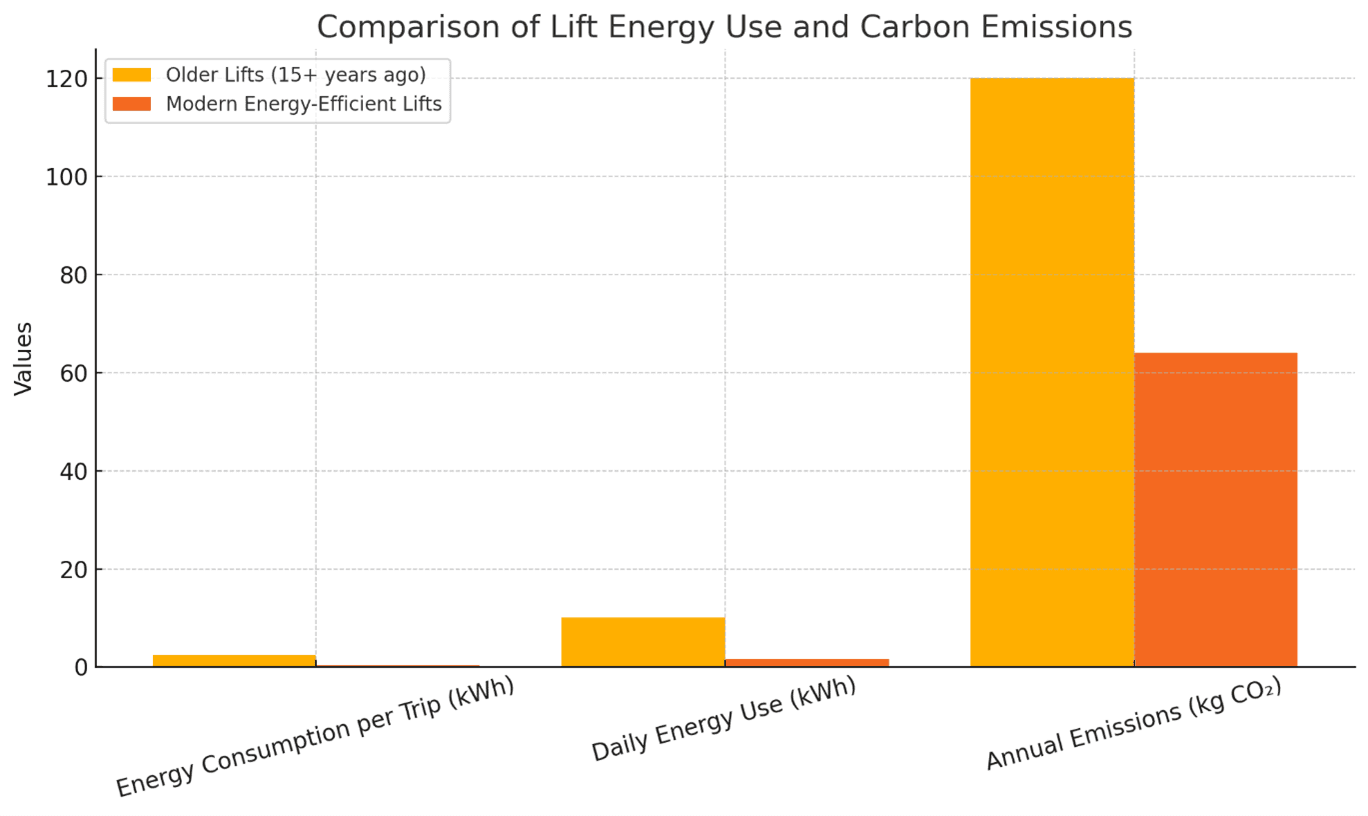
Energy Consumption of Modern Lifts: 2025 vs 2007

Energy Consumption of Modern Lifts: 2025 vs 2007

Using current data, we can estimate the energy consumption of modern lifts and compare it with adjusted figures for older systems based on the same number of floors.

Energy Per Trip

Modern Lifts 2025:

A modern lift in a mid-rise building (5–10 floors) consumes approximately 0.0039 to 0.075 kWh per round trip, reflecting significant energy efficiency advancements.

Lifts in 2007:

Based on scaling down from 20-floor data, 2007 lifts would consume approximately 0.02375–0.0475 kWh per round trip.

Comparison: Modern lifts consume up to 83% less energy per trip than 2007 systems when operating in the same conditions. This improvement is due to advanced technologies like regenerative braking and more efficient motors.

Daily Energy Use

Modern Lifts 2025:

Assuming four rides per person per day (e.g., to work, out for lunch, back, and home), modern lifts consume approximately 0.016–0.3 kWh per person per day.

Lifts in 2007:

With the adjusted energy use of 0.02375–0.0475 kWh per trip, older lifts would consume 0.095–0.19 kWh per day for four trips.

Comparison: Modern lifts use up to 83% less daily energy than 2007 lifts, demonstrating their superior efficiency for regular usage.

Annual Energy Use


Modern Lifts 2025:

Over a working year (200 days), modern lifts consume approximately 3.2–60 kWh per person.

Lifts in 2007:

Older lifts would consume 19–38 kWh annually under the same conditions.

Comparison: While modern lifts have a similar range of annual consumption for lower-end usage, their advanced features make them significantly more efficient under higher usage scenarios.

Carbon Emissions: A Modern Perspective

The carbon emissions associated with lift use depend on the carbon intensity of the electricity grid. Using the UK’s current grid average of 0.2 kg CO₂ per kWh, we can calculate emissions for both modern and older systems.

Daily Emissions

Modern Lifts 2025: 0.0032–0.06 kg CO₂ per person per day.

Lifts in 2007: 0.019–0.038 kg CO₂ per person per day.

Comparison: Modern lifts emit up to 84% less CO₂ daily, reflecting their energy efficiency and reduced reliance on inefficient systems.

Annual Emissions

Modern Lifts 2025: 0.64–12 kg CO₂ per year for 200 working days.

Lifts in 2007: 3.8–7.6 kg CO₂ annually.

Comparison: Modern lifts produce significantly lower annual emissions, particularly for higher usage levels, thanks to energy-saving innovations and cleaner grid electricity.

Future Innovations

Looking ahead, the integration of AI for traffic optimisation, solar-powered lifts, and further improvements in energy efficiency could make lifts almost entirely carbon-neutral. As buildings grow taller and cities densify, these technologies ensure that vertical transportation remains sustainable.

So, next time you step into a lift, rest assured: modern engineering is doing its part to keep the ride efficient and eco-friendly!

Sources: https://www.theguardian.com/environment/blog/2009/sep/04/lifts-energy-take-the-stairs, https://fatknowledge.blogspot.com/2007/02/how-much-energy-does-elevator-use.html

The Future of Construction in the Lift Industry: A Sustainable Vision from VM Elevators 

Futuristic lifts3


How Sustainability is Shaping the Lift and Escalator Industry

The construction industry is undergoing a significant transformation, particularly in the lift and escalator sector, where sustainability is becoming a top priority. VM Elevators is at the forefront of this transformation, championing innovative approaches that enhance energy efficiency and promote accessibility. As modern construction projects increasingly focus on sustainability, the integration of advanced technologies and practices in lift systems is essential for fostering a greener future.

What are the latest sustainability trends in lift technology?

The lift industry has witnessed a surge in sustainability trends. These trends are driven by the need to minimise energy consumption and reduce the carbon footprint of buildings.
A significant advancement is the development of energy-efficient lift systems, which utilise regenerative drives that capture and recycle energy produced during the lift’s operation. Additionally, the integration of smart control systems allows for improved energy management, optimising the lift’s performance based on real-time demand. The adoption of eco-friendly materials in lift manufacturing processes further underscores the industry’s commitment to sustainability.

How can energy efficiency be improved in modern lifts?

Enhancing energy efficiency in modern lifts involves a multifaceted approach. First and foremost, incorporating advanced motor technologies can significantly reduce energy consumption. For instance, the use of permanent magnet motors provides higher efficiency compared to traditional systems. Furthermore, lift manufacturers are increasingly leveraging machine learning algorithms to predict usage patterns, thereby optimising the lift’s operational schedules. This not only conserves energy but also extends the lifespan of the lift systems. Regular maintenance and updates to the control systems also play a crucial role in ensuring that lifts operate at peak efficiency.

What role does the UK lift industry play in promoting sustainability?

The UK lift industry is actively engaged in promoting sustainability through various initiatives and collaborations. By adhering to ISO standards and participating in sustainability surveys, the UK lift sector is not only improving its products and services but also setting benchmarks for energy efficiency. The industry is also investing in research and development to innovate lift solutions that align with environmental goals. Additionally, partnerships between lift manufacturers and construction companies are fostering the creation of sustainable high-rise buildings equipped with state-of-the-art lift technology, demonstrating a shared commitment to a greener future in urban development.

What is the Role of BIM in the Lift Modernisation Process?

How does Building Information Modelling enhance lift solutions?

Building Information Modelling (BIM) plays a pivotal role in the lift modernisation process by providing a comprehensive digital representation of lift systems within a building’s infrastructure. BIM models facilitate effective collaboration among all stakeholders in the construction sector, including architects, engineers, and lift manufacturers. This collaborative approach leads to precise planning and execution, reducing the potential for errors during installation. Furthermore, BIM enhances the management system of lift projects, allowing for real-time updates and adjustments that can improve the overall efficiency of the construction process.

What are the benefits of using BIM in the construction industry for lifts?

The benefits of employing BIM in the lift industry are manifold. Firstly, the accuracy of BIM models ensures that lift systems are designed to fit seamlessly within the existing architecture, minimising the need for costly modifications. Secondly, BIM enhances communication among project teams, leading to more informed decision-making and faster project delivery. Additionally, the ability to simulate various lift configurations in a BIM environment allows for the exploration of innovative design options that can enhance user experience and accessibility. Ultimately, the integration of BIM in lift solutions supports the industry’s digital transformation, making it more agile and responsive to market demands.

Can BIM improve safety during lift installation and maintenance?

Absolutely, BIM significantly improves safety during both lift installation and maintenance. By providing a clear and detailed visual representation of the lift systems, BIM allows technicians to identify potential hazards before work begins. This proactive approach helps in developing safety protocols tailored to specific project conditions. Moreover, during maintenance, the BIM model can provide vital information about the lift’s components and their interactions, enabling technicians to address issues more efficiently and safely. In a sector where safety is paramount, leveraging BIM technology stands out as an essential strategy to enhance operational safety across lift systems.

What Innovations are Driving Lift Modernisation?

What are the state-of-the-art technologies in lift modernisation?

The lift modernisation landscape is being transformed by a host of state-of-the-art technologies. One such innovation is the implementation of IoT (Internet of Things) sensors, which allow for real-time monitoring of lift systems. These sensors can detect issues before they lead to failures, thereby enhancing reliability and reducing downtime. Additionally, advancements in artificial intelligence and machine learning are enabling predictive maintenance, which anticipates when lift systems will require servicing. This not only optimises performance but also extends the lifespan of the equipment. Such innovations position lift systems as integral components in the broader context of smart buildings.

How can sensors improve the efficiency of lift systems?

Sensors play a critical role in enhancing the efficiency of lift systems by providing valuable data that informs operational adjustments. For instance, load sensors can determine the weight of passengers and adjust the lift’s performance accordingly, ensuring that energy is not wasted when operating at lower capacities. Furthermore, motion sensors can optimise lift scheduling by predicting when to send a lift to a specific floor based on user patterns. These advancements lead to significant reductions in energy consumption, making lift systems not only more efficient but also environmentally friendly.

We have covered this more extensively in in our exploring lift innovations article.

Successful case studies of lift installation and modernisation projects

At VM Elevators we have many successful case studies that illustrate the efficacy of lift installation and modernisation. For instance, a high-rise building in London at Pembroke House underwent a comprehensive lift installation view lift installation case study here

We also completed a comprehensive lift modernisation at the Whittington Health NHS Trust Hospital Theatre lifts. As a result, energy consumption was reduced considerably, while wait times for passengers were minimised through improved scheduling algorithms. Another notable project at The Whittington Health NHS Trust – Wood Green Diagnostic Centre involved the retrofitting of an older building with modern lift technology that adhered to updated accessibility standards. This project not only enhanced the building’s functionality but also significantly improved the user experience for individuals with mobility requirements , showcasing the potential of lift modernisation as a driver of inclusivity and sustainability. View lift modernisation case study here

Why is Energy Efficiency Critical in the Lift and Escalator Industry?

What impact does energy-efficient lift technology have on operational costs?

Energy-efficient lift technology has a profound impact on operational costs, making it a critical focus for the lift and escalator industry. By reducing energy consumption through advanced motor systems and smart control technologies, building owners can significantly lower their utility bills. Furthermore, the implementation of energy-efficient lift systems often qualifies buildings for various green certifications, which can enhance property value and attract environmentally conscious tenants. In an era where operational efficiency is paramount, adopting energy-efficient technologies positions companies to thrive financially while contributing to sustainability goals.

How can the lift industry contribute to reducing carbon footprints?

The lift industry can play a vital role in reducing carbon footprints by adopting sustainable practices across its manufacturing processes and product offerings. By implementing energy-efficient technologies, the industry can drastically lower the energy consumption of lift systems, contributing to decreased greenhouse gas emissions. Furthermore, the transition to eco-friendly materials in lift construction not only supports sustainability but also aligns with global efforts to combat climate change. Through these initiatives, the lift industry can lead the way in promoting environmental stewardship within the broader construction sector.

What future trends are expected in energy-efficient lift systems?

Looking ahead, several trends are anticipated in the realm of energy-efficient lift systems. The integration of renewable energy sources, such as solar power, is expected to gain traction, enabling buildings to operate lifts with minimal environmental impact. Additionally, innovations in battery technology may lead to the development of lifts that can store and use energy during peak demand times, further enhancing efficiency. As the construction industry continues to embrace digital transformation, the application of AI and IoT within lift systems will also become more prevalent, creating smarter, more responsive systems that prioritise energy efficiency and user experience.

Lift Modernisation and Refurbishment Key to Sustainability

At VM Elevators energy efficient and sustainability is one of our core values.  Our approach combines cutting-edge technical expertise with a steadfast dedication to sustainability, ensuring our operations and services align with international standards like ISO 14001:2015. Our environmental strategy underpins our key services and ensures we do our part to adhere to a greener future for the lift industry.

Refurbishing lifts is one of the most effective ways to reduce environmental impact in the construction industry. Instead of replacing entire systems, lift refurbishment or modernisation allows for the reuse and upgrading of existing components, cutting down on waste and conserving resources.

This aligns with our environmental strategy to:

  • Minimise waste products by reusing viable lift components.
  • Source materials locally to reduce transportation emissions.
  • Prevent pollution through careful waste disposal and adherence to environmental legislation.

VM Elevators’ Environmental Strategy in Action

VM Elevators is proud of its comprehensive environmental strategy, which guides every aspect of our operations:

  • Waste Reduction: By reusing lift components and implementing refurbishment projects that avoid unnecessary material waste.
  • Energy Efficiency: Installing regenerative drives and LED lighting, and upgrading office systems to reduce energy use.
  • Travel Impact Reduction: Promoting remote work where possible, and enforcing energy-efficient driving policies for our team.
  • Benchmarking Progress: Our emissions-conscious officer conducts annual reviews to ensure we consistently improve against our initial carbon footprint benchmarks.

Circular Economy and Sustainable Procurement 

VM Elevators plays an active role in advancing the circular economy by refurbishing and reusing lift components wherever possible. This reduces waste and lowers the demand for new materials, while still delivering high-performance systems for our clients.

Our work across many of our reputable sites reflects this approach, as we refurbish and reused existing components to minimise environmental impact without compromising on quality. Additionally, our Procurement Procedure includes environmental considerations, ensuring that suppliers and contractors adopt responsible practices.

The VM Elevators Promise 

Our five-year environmental strategy is a cornerstone of our operations, ensuring that every project we undertake whether lift refurbishment, lift maintenance, or lift modernisation is executed with sustainability in mind. By continually measuring our progress, setting clear targets, and investing in energy-saving technologies, we remain committed to reducing our carbon footprint and promoting best environmental practices across the industry.

Partner with VM Elevators for sustainable lift solutions that balance innovation, transparency, and responsibility-lifting the industry toward a greener future.

Ready to partner with VM Elevators? Discuss our lift services with us today

Comparing Lift Maintenance Providers 101

Comparing Lift Maintenance Providers in the UK

When selecting a lift maintenance service, it’s essential to identify the type of maintenance that best suits your specific needs. Regular maintenance whether it’s a passenger lift , goods lift or platform lift is crucial and a legal requirement.  Among the various types of maintenance, preventative maintenance stands out, as it focuses on performing regular checks and repairs to prevent potential breakdowns. This proactive approach can significantly reduce the likelihood of unexpected lift repairs, ensuring that your lift operates efficiently and safely. Additionally, understanding the different maintenance contracts available can help you choose the right lift maintenance service tailored to your operational requirements.

Continue reading

Lift Innovations: Exploring the Future of Lift Design and Technology

smart-lifts-technology-sq

What Are the Key Innovations Shaping the Future of Lift Design?

Today’s lifts are currently undergoing a profound transformation.  Innovations are not only enhancing user experience, but they are also paving the way for a new era in the lift industry. Lifts are now utilising state-of-the-art technology to make lifts simpler and safer to use. From artificial intelligence to energy efficiency, the advancements in lift technology promise to redefine how we traverse the vertical spaces within buildings. This article explores the key innovations and looks at the implications shaping the future for modern lifts.

How Is Artificial Intelligence Enhancing Lift Technology?

When we think AI, we think ChatGPT and online, but AI has a much broader reach than that.  Artificial intelligence is quickly becoming one of the standout of the innovations driving the future of lift technology. By leveraging machine learning algorithms, modern lifts can analyse real-time data to optimise their operation. This means that lifts can predict peak usage times, adjust their schedules accordingly, and with this information use it to reduce waiting times for passengers. AI-driven control systems are capable of learning user patterns, thus enabling lifts to anticipate demand and improve overall user experience. Moreover, AI enhances safety by monitoring systems and alerting maintenance teams to potential issues before they escalate, ensuring that your lift rides are always smooth and safe.

smart-lifts-technology-sq

What Role Does the Internet of Things Play in Modern Lifts?

The Internet of Things (IoT) is revolutionising how lifts operate within a building. By connecting lifts to the IoT, building managers can monitor their performance in real-time, collecting data that enables predictive maintenance. This cutting-edge technology ensures that lifts are not just reactive but proactive in addressing potential failures. Furthermore, IoT integration allows for a more seamless user interface, where passengers can request lifts via mobile applications or smart devices, making the lift experience more intuitive and efficient. The interconnectedness of smart lifts and IoT is setting the stage for an intelligent ecosystem within urban environments.

How Are Touchless Features Changing User Experience in lifts?

In a world increasingly concerned with hygiene and user experience, touchless features are becoming essential in the design of modern lifts. With innovations such as gesture recognition and smartphone interfaces, passengers can now call and control lifts without physical contact. This technology not only enhances user experience by reducing wait times but also promotes a cleaner environment, aligning with the growing demand for eco-friendly solutions in vertical transportation. The integration of touchless systems marks a significant advancement, especially in high-traffic areas such as office buildings, and public spaces such as hospitals, where minimising contact is crucial.

How Are Energy Efficiency and Sustainability Impacting lift Technology and their environmental impact?

What Are Regenerative Drives and Their Benefits for Modern Lifts?

Energy efficiency is at the forefront of lift technology innovations and one of the core values we focus on at VM Elevators.  Regenerative drives are one of the standout features when it comes to energy efficiency. These systems capture excess energy generated during the lift’s descent and convert it into electricity, which can then be used to power other building systems or returned to the grid. This not only reduces energy consumption but also significantly lowers operational costs for building owners. By incorporating regenerative drives, modern lifts are becoming more eco-friendly, demonstrating a commitment to sustainability. This technology exemplifies how the future of lift design is not just about functionality but also about environmental responsibility.

How Do Future Trends in Energy Efficiency Redefine Lift Design?

As we consider future trends, energy efficiency will continue to redefine lift design. Innovations such as LED lighting, lightweight materials, and advanced control systems are being integrated into modern lifts to minimise energy usage. The interior design of lift cabins is evolving to include energy-efficient components that reduce their carbon footprint. Furthermore, the push for green building certifications is driving the lift industry to prioritise energy-efficient models. These trends not only enhance the operational sustainability of lifts but also align with the broader vision of creating smart, sustainable urban environments.

What Innovations Are Leading to More Sustainable Vertical Transportation?

Innovations in lift technology are leading to a more sustainable future for vertical transportation. Smart lifts equipped with advanced sensors can analyse traffic flow within buildings, allowing them to operate more efficiently. The integration of solar panels and energy storage systems into lift design is also gaining traction, providing alternative energy sources that further reduce reliance on traditional electricity. As we look to the future, the emphasis on sustainability will continue to influence the development of lifts, ensuring that vertical transportation contributes positively to the environment.

What Are the Technological Innovations Transforming lifts of the Future?

How Is Predictive Maintenance Changing Lift Upkeep?

Predictive maintenance is revolutionising the way lifts are maintained, ensuring they operate at peak efficiency and reliability. By employing AI and IoT technologies, predictive maintenance systems can monitor the condition of lift components in real-time and forecast when attention is needed. This proactive approach minimises downtime and reduces repair costs, transforming lift upkeep from a reactive to a strategic process. As a result, building owners can ensure that their lifts are always in optimal condition, enhancing user experience and operational efficiency.

What New Features Are Enhancing Accessibility in Modern Lifts?

Accessibility is a crucial aspect of modern lift technology, and new features are continually being developed to enhance it. Innovations such as audio-visual indicators, braille buttons, and larger cabin sizes ensure that lifts cater to a wide range of needs, from accommodating people with mobility aids to safely transporting large items or groups. Additionally, AI-driven systems can recognise passengers with accessibility needs and provide tailored assistance, further improving the lift experience. As we move into the future, the emphasis on inclusivity will shape the design of lifts, ensuring they are accessible to everyone within a building.

How Are High-Rise Structures Benefiting from lift Technology Advancements?

High-rise structures are reaping the benefits of advancements in lift technology, which are vital for efficient vertical travel in these towering buildings. Innovations such as double-decker lifts and smart grouping systems allow for faster and more effective movement between floors. These technologies significantly reduce wait times and improve the overall flow of people within a skyscraper. Moreover, as urban environments continue to grow upward, the integration of advanced lift technology will be essential to accommodate the increasing density of high-rise buildings, ensuring that vertical transportation keeps pace with architectural advancements.

What Will Lifts in the Future Look Like?

The future holds exciting possibilities for lift design, with aesthetics and functionality merging seamlessly. We can expect lifts to feature sleek, modern cabins enhanced with smart technology, allowing for personalised user experiences. Transparent materials and innovative lighting designs will likely make lift rides more visually appealing and immersive. As technology continues to evolve, lifts will not only serve as functional transit systems but also as integral design elements within buildings.

How Can Innovations in Lift Design Improve User Experience?

Innovations in lift design can significantly enhance user experience by making lifts more intuitive, efficient, and comfortable. Features such as real-time updates on arrival times, customisable cabin environments, and touchless controls contribute to a smoother journey. Furthermore, the integration of advanced communication systems allows passengers to interact with lifts using their smartphones, streamlining the process of calling and controlling lifts. As these innovations become standard, user satisfaction will undoubtedly increase, leading to a more pleasant vertical transportation experience.

What Are the Challenges Facing the Advancement of lift Technology?

Despite the remarkable advancements in lift technology, several challenges remain. One of the primary concerns is the integration of new technologies into existing infrastructure, which can be cost-prohibitive and logistically complex. Additionally, ensuring the reliability and safety of cutting-edge innovations is paramount, as any failure can have serious consequences. The lift industry must also navigate regulatory hurdles as new technologies are introduced. Addressing these challenges will be critical to the successful implementation of future innovations in lift technology.

How Do Current Trends in lift Design Influence Vertical Transportation?

What Innovations Are Leading the Way for Smart lifts?

Current trends in lift design are heavily influenced by the rise of smart lifts, which incorporate cutting-edge technologies to enhance performance and user experience. These innovations include AI-driven algorithms for traffic management, real-time data analytics for predictive maintenance, and IoT connectivity for seamless interaction. Smart lifts are reshaping the landscape of vertical transportation by making it more efficient, responsive, and user-friendly, ultimately setting new standards for modern lifts.

How Are Modern Lifts Being Designed for Urban Environments?

Modern lifts are being specifically designed to meet the unique challenges of urban environments, where space is often limited. Architects and engineers are developing compact lift systems that maximise vertical travel while minimising the footprint. Innovations such as modular designs and advanced shaft technologies allow for more flexible installations within buildings. Additionally, the focus on energy efficiency and sustainability in urban lift design ensures that these systems contribute positively to the overall ecosystem of the city.

What Future Trends Should We Expect in lift Technology?

As we look ahead, several future trends are anticipated in lift technology. The continued integration of AI and IoT will lead to even smarter lifts that adapt to user behaviour and building dynamics. Advances in eco-friendly materials and energy sources will drive the development of more sustainable systems. Furthermore, as urbanisation continues, the demand for high-speed lifts and innovative vertical transportation solutions will rise. These trends will shape the future of vertical transportation, ensuring that lifts evolve alongside the ever-changing needs of society.

Why Choose VM Elevators for your new lift installation

At VM Elevators we proudly offer new lift installation services that redefine the way you experience vertical transportation. Our forward-thinking approach embraces smart building systems, ensuring each installation is seamlessly integrated with innovative technology to improve the user experience and safety of your passengers. From energy-efficient systems to predictive maintenance and touchless controls, VM Elevators can provide customised solutions that meet the demands of modern buildings and elevate the experience for every passenger.


5 Signs Your Lift Needs Refurbishment: Don’t Ignore These Warning Signs

DSC04277 (Medium)

5 Signs That Your Lift Needs an Upgrade

Ensuring that your lift system is up to date is crucial for maintaining safety, efficiency, and user satisfaction. Lifts are integral components in both commercial and residential buildings, facilitating movement and accessibility. However, as lifts age, they may exhibit signs that indicate the need for an upgrade or refurbishment or the technical term we use in the industry, lift modernisation. In this article, we will explore five key signs that your lift may be ready for an upgrade, along with insights into the benefits of modernising your lift and the importance of regular lift maintenance.


What are the signs that your lift is ready for an upgrade?

Identifying increased lift breakdown frequency

Another tell tale sign that your lift may need an upgrade is an increase in lift breakdown incidents. Older lifts often suffer from mechanical failures and electrical issues that can lead to inconvenient breakdowns. If you are experiencing recurring lift breakdowns, it is vital to assess the reliability of your lift system. Frequent outages not only disrupt daily operations but can also lead to safety hazards, especially in busy commercial environments. If your lift has become unreliable, it may be time to consider installing a new lift or upgrading your existing lift components.

Recognising outdated lift systems

As technology advances, so do the standards and features of lift systems. If your lift is an older model, it may lack modern safety features and efficiency standards that current lifts are designed to meet. Recognising outdated lift systems is crucial for ensuring that your building complies with current safety regulations. An upgrade may involve replacing older lifts with modern solutions that offer improved safety features, enhanced user experiences, and greater energy efficiency. If your lift system hesitates to keep pace with these advancements, it is likely time to consider a refurbishment.

How can you tell if your lift needs refurbishment?

Evaluating the performance of your lift

Evaluating the maintenance reports issued by your chosen lift contractor will indicate the performance of your lift and is a critical step in determining whether lift refurbishment is necessary. It is critical you keep hold of all documents obtaining to each lift maintenance sent to you by your chosen provider.
Any significant degradation in performance can indicate that the lift is not meeting operational expectations and may require immediate attention. Regular performance evaluations can help identify these issues early on, ensuring that your lift continues to operate safely and effectively.

Assessing safety regulations compliance

Compliance with UK lift safety regulations is a non-negotiable aspect of lift operation. As regulations evolve, older lifts may not meet the current standards set forth for safety. Your chosen lift contractor should bring this to your attention.

To assess whether your lift complies, it is essential to have a qualified lift engineer conduct a thorough evaluation of its components and operational features. If your lift lacks essential safety features or fails to meet current safety regulations, it is crucial to consider an upgrade. Not only can non-compliance lead to potential legal issues, but it can also jeopardise the safety of users. Regularly reviewing safety compliance is extremely important to ensure you lift meets all safety requires which will help you keep your lift passengers safe.  At VM Elevators this would be carried out as part of our lift maintenance contract packages.

Signs of wear and tear in lift components

All mechanical systems, including lifts, are subject to wear and tear over time. Signs of deterioration may arise from regular use, misuse, overloading, or damage to control panels and buttons. Regular lift maintenance allows these issues to be identified and resolved promptly. Depending on the lift’s make, model, age, and type, your maintenance provider can implement refurbishment or upgrades to prevent more significant problems in the future. This highlights the critical importance of routine inspections and maintenance to ensure your lift remains operational.”

What are the common benefits of lift modernisation?

Improved energy efficiency and reduced operational costs

One of the most significant benefits of lift modernisation is the improvement in energy efficiency. Published in March 2015, ISO 25745 is the global standard for energy calculation and classification of lifts and escalators.
Newer lift systems are designed to consume less energy, which can lead to substantial savings on operational costs over time.
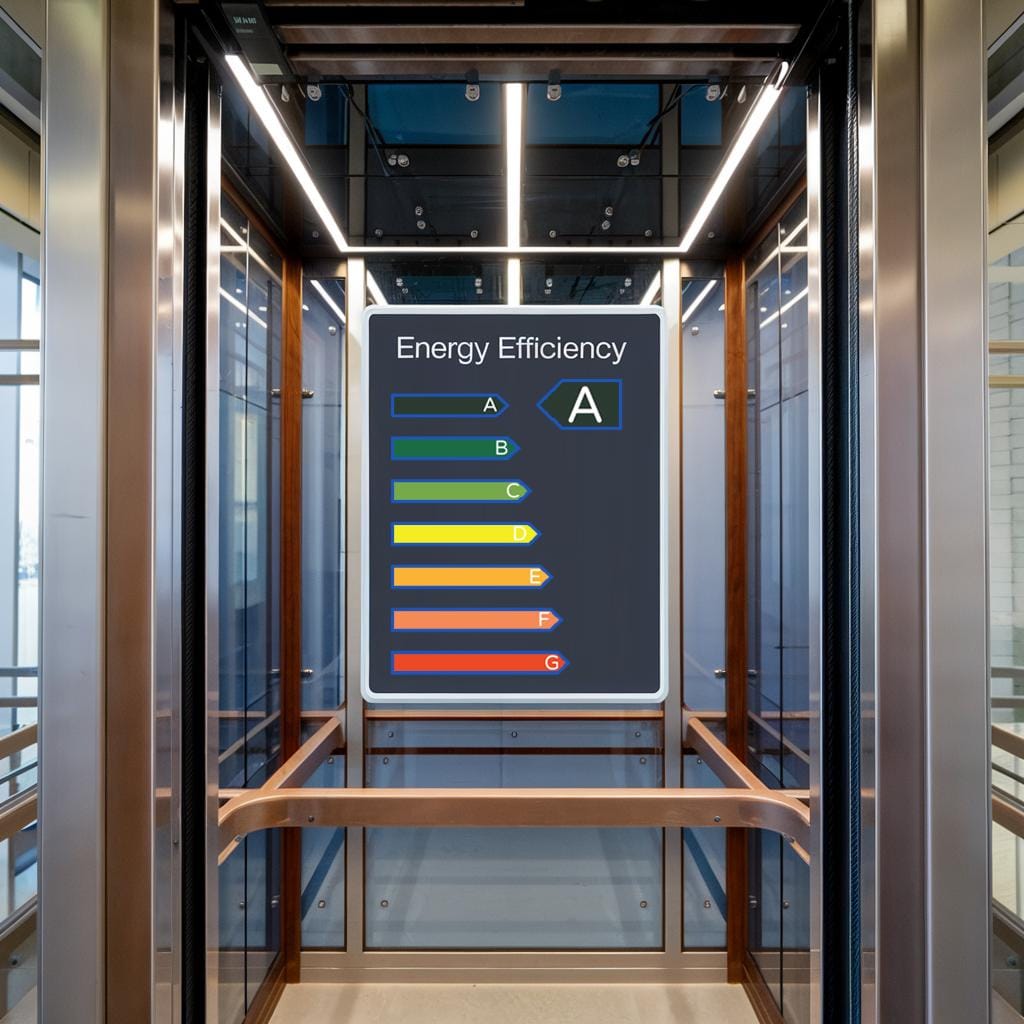
At VM Elevators energy efficiency one of our core values. All new installations are installed to the highest energy efficiency rating possible, which is A Class for lifts and A+++ for escalators, so by upgrading your lift, you can take advantage of advanced technologies that optimise energy consumption, such as regenerative drives and LED lighting and regenerative drives that capture the heat generated when the lift is in use and converts this into reusable energy. These upgrades not only reduce energy usage but also contribute to a greener building, aligning with sustainability goals. In turn, this can enhance your property’s marketability and appeal to environmentally conscious tenants.

Enhanced safety features and compliance

Another key advantage of modernising your lift is the enhancement of safety features. New lifts come equipped with advanced safety technologies that ensure compliance with the latest safety regulations. Features such as automatic emergency braking, better control systems, and advanced monitoring can significantly reduce the risk of accidents. Upgrading your lift can provide peace of mind for both operators and users, knowing that the system meets the highest safety standards. This also reduces liability risks for building owners and managers.

Modern aesthetics and user experience

In addition to functional improvements, modern lift solutions offer enhanced aesthetics that can significantly improve user experience. Installing a new lift or refurbishing an old lift can transform its appearance, making it more inviting and visually appealing. Modern lifts often feature sleek designs, improved lighting, and user-friendly interfaces. These enhancements can create a positive impression on visitors and tenants alike, increasing overall satisfaction with the building’s amenities. A well-designed lift environment contributes to the overall experience of the occupants, making it an essential consideration for property owners.

How often should lift maintenance be conducted?

Recommended maintenance schedules for lifts

To ensure optimal performance and safety, regular lift maintenance is paramount. It is generally recommended that lifts undergo maintenance at least once every six months. However, the frequency can vary based on the type of lift—passenger lifts, goods lifts, and platform lifts may have different requirements. Establishing a reliable maintenance schedule with a trusted lift service provider will help keep your lift functioning smoothly and prolong its lifespan. Regular checks can identify potential issues before they escalate into costly repairs or dangerous breakdowns.
We have a full article on lift maintenance frequency.

Understanding the importance of regular lift service

One of the primary signs that your lift needs an upgrade is the frequency of service it requires. Regular lift service is essential for keeping your lift in optimal condition and ensuring safety compliance. If you find yourself scheduling frequent lift maintenance or repairs, it may indicate that your lift system is aging or that components are wearing out. Ensuring that your lift is well-maintained can prevent costly emergency lift repairs and extend the lifespan of the system. If your lift service provider frequently points out the need for repairs, this may be a clear sign that it’s time to consider modernising your lift.

Consequences of choosing not to have your lift properly maintained

As the owner or manager of a building with a lift or any vertical transportation system, you have a legal obligation to ensure it is properly maintained. The most effective way to guarantee that your lift is safe, reliable, and compliant with current regulations is to engage a qualified lift service provider. Adhering to a maintenance schedule is essential, as even non-contractual visits, such as one-off services, can lead to extended downtime, disrupting business operations and causing frustration for tenants. Additionally, neglecting maintenance and failing to meet safety regulations can expose building owners to legal liabilities. Therefore, maintaining a regular maintenance schedule is vital for the longevity and safety of your lift system.

Choosing the right lift modernisation company

Selecting the right lift modernisation company is a critical factor in maintaining your lift system. It is essential to choose a reputable company with a proven track record in lift upgrade services.

At VM Elevators, we specialise in modernising lift and escalator systems to meet today’s safety, performance, and aesthetic standards. Our expert Operations team evaluates your current vertical transportation setup and implements tailored, innovative solutions to boost efficiency and reliability. From upgrading control systems to fitting energy-efficient components, we ensure the smooth integration of modern technologies with minimal disruption to your operations. With a strong focus on sustainability and customer satisfaction, our modernisation services revitalise aging systems, optimising performance and enhancing the user experience

A Comprehensive Guide to Lift Requirements and Lift Installation

P1313378 (Medium)

Comprehensive Guide to Lift Installation in the UK

When it comes to enhancing accessibility in both commercial and residential buildings, lift installation plays a pivotal role. Whether you’re considering a passenger lift for a high rise building or a platform lift for easier access to different floors, understanding the lift installation process is essential.

This comprehensive guide delves into the various facets of lift installation in the UK, including the relevant building regulations, types of lifts available, and how to choose the right lift installers.

Why Choose VM Elevators for Lift & Escalator Installation in the UK

At VM Elevators, we pride ourselves on being a trusted partner in lift and escalator installations across the UK. With a commitment to delivering high-quality, tailored solutions, we have built a reputation for excellence within the industry.

Our approach is rooted in technical expertise and a deep understanding of UK safety standards, ensuring every project meets the highest regulatory requirements. We work closely with architects, builders, and facilities managers to design and install lifts that are not only safe and efficient but also fully accessible for all users.

What sets VM Elevators apart is our meticulous attention to detail at every stage of the process—from initial planning through to installation and ongoing maintenance. Our highly experienced team of lift installers brings extensive industry expertise, ensuring precision and reliability in every project. We maintain an exceptional safety record and consistently deliver on time and within budget. We will never put our name on a product that doesn’t stand the test of time. We are conscious and committed to ensuring the products we fit, are to the highest quality standards – which in turn saves your business or building money over a long protectory, reducing downtime.

When it comes to lift installation, no two projects are the same. That’s why we tailor our services to meet the specific needs of each building and client, offering solutions that enhance both the functionality and value of the property.

With a growing lift installation portfolio  of successful installations, VM Elevators is proud to be recognised as a leader in the UK’s lift and escalator industry. We combine cutting-edge technology, uncompromising safety standards, and exceptional customer service to deliver installations that are made to last.

What is the Lift Installation Process in the UK?

Understanding the Steps Involved in Lift Installation

The lift installation process comprises several critical steps to ensure a smooth installation process.

These steps are very important as they ensure a successful and compliant installation that meets regulations, which means your lift not only works well but most importantly is safe.

Many management companies might already have a lift in their property which they need taken out of service and replaced with an upgraded system.


A Comprehensive Guide to Lift Requirements and Lift Installation

For some, starting from scratch involves bringing in an architect to collaborate closely with builders and lift installers. Typically, this type of lift installation process begins with a thorough site assessment to determine the most suitable lift for the building. This evaluation considers factors such as lift shaft dimensions, existing infrastructure, and the specific needs of the passengers and the usage. Once the appropriate lift type—whether a passenger lift, goods lift, platform lift, hydraulic, motor less etc.—is selected, the next step is the design and planning phase. This includes integrating all necessary components, such as the lift car, control systems, and safety mechanisms.

  • Sign-off on logistics and plans: The installation process begins once all logistics and plans are reviewed and signed off by the relevant parties.
  • Installation phase: The lift is physically installed in the designated lift shaft, requiring careful coordination between mechanical installation teams and electrical engineers.
  • Health and safety compliance: Throughout the installation, strict adherence to health and safety requirements, including the UK’s Health and Safety at Work Act 1974 and LOLER 1998, is essential to ensure the safety of workers and the integrity of the installation.
  • Mechanical and electrical integration: The lift car, motor, control systems, and electrical components are installed and integrated into the building’s infrastructure.
  • Post-installation testing: After installation, rigorous testing is conducted to verify that the lift operates smoothly and safely. This includes compliance with British Standard BS EN 81 safety regulations.
  • Final approval and certification: Before the lift is officially put into service, it must pass all required safety inspections and be certified to meet UK building regulations.

Key Considerations for a Successful Installation

Achieving a successful lift installation requires careful planning and attention to several crucial factors. These considerations ensure that the lift meets safety standards, functions effectively, and provides long-term reliability for users.

  • Compliance with safety regulations: Safety is paramount, and all lift installations must strictly adhere to UK regulations. Standards like the Health and Safety at Work Act 1974 and LOLER 1998 set out the minimum requirements for safety and performance. Meeting these regulations guarantees that your lift installation is legally compliant and safe for all users.
  • Accessibility for all users: Ensuring accessibility is essential, particularly for users with disabilities. Lift installations must comply with the Equality Act 2010 to cater to everyone’s needs. This includes features like wide enough doors for wheelchair users, tactile buttons, and audible signals for visually and hearing-impaired passengers.
  • Qualified lift installers: Engaging experienced, qualified professionals is critical for a successful installation. Lift installers should have a thorough understanding of both the technical aspects of lift systems and UK building regulations to ensure the project meets all safety and compliance standards. Choosing the right team can make a significant difference in the overall quality of your lift installation.
  • Ongoing lift maintenance: Regular maintenance is essential for the longevity and safety of any new lift installation. By following the requirements set out in LOLER and PUWER, regular inspections and upkeep will ensure your lift remains reliable and safe for users, avoiding costly repairs and downtime in the long run.

Common Challenges in the Installation Process

  • Space constraints in older buildings:
    Older residential buildings often have limited space for lift shafts, which can complicate the installation of larger passenger lifts.
  • VM Elevators’ solution: We specialise in designing and installing compact and bespoke lift systems, such as MRLs or platform lifts, to accommodate tight spaces while maintaining functionality and safety. Our team assesses each building carefully to tailor the lift design to its specific constraints.
  • Unforeseen structural issues:
    Once installation begins, unexpected structural problems can arise, impacting the installation process.
  • VM Elevators’ solution: Our team conducts thorough site assessments and remains adaptable. With years of industry expertise, we swiftly address and resolve structural challenges, minimising delays and ensuring the lift installation stays on track.
  • Coordination with other contractors:
    Working alongside multiple contractors, particularly in commercial projects with tight timeframes, can cause delays if schedules aren’t perfectly aligned.
  • VM Elevators’ solution: VM Elevators excels in project management and collaboration. We maintain clear communication with all contractors involved, ensuring smooth coordination and minimising disruptions to the installation timeline.
  • Compliance with building regulations:
    Meeting the wide array of building regulations can be complex, especially for intricate installations.
  • VM Elevators’ solution: VM Elevators has extensive knowledge of UK safety and building regulations. We ensure every installation fully complies with legal standards, providing peace of mind and avoiding costly compliance issues down the line.

With the right expertise and attention to detail, VM Elevators are effectively able to manage any challenges that arise, delivering reliable, safe, and efficient lift installations.

What are the Building Regulations & Legal Requirements for Lifts in the UK?

Overview of Lift Regulations 2016

The UK lift regulations 2016 were established to enhance safety standards and operational efficiency across the UK.
These regulations encompass various aspects of lift installation, including design, construction, and maintenance requirements. For instance, every lift installed must comply with the British Standard for lifts, which outlines the necessary safety components and performance criteria that must be met. These regulations are critical as they ensure essential safety requirements are met so that your lifts are safe for passenger use and function as intended.
It is the lift owners duty to ensure that they are compliant and meet all Lifting Operations and Lifting Equipment Regulations 1998 (LOLER)
Lifts also fall under the regulations of Provision and Use of Work Equipment Regulations 1998 (PUWER)

Compliance with regulations is a legal requirement so it is imperative that you follow these regulations and part of that is ensuring you choose a reputable and experienced lift installation company.

How Building Regulations Affect Lift Installation

Building regulations in the UK have a profound impact on the lift installation process. Compliance with these regulations ensures that lifts are not only safe but also accessible to all users. For example, lift installations in residential buildings must accommodate individuals with mobility impairments, which often requires specific design features. Furthermore, the regulations dictate the minimum dimensions of the lift shaft and the lift car, as well as the required load capacities for different types of lifts.

Failure to comply with these building regulations can lead to significant repercussions, including fines, forced modifications, or even legal action. Therefore, understanding and adhering to the relevant regulations is paramount for anyone involved in the lift installation process.

Compliance Requirements for Residential Buildings

For residential buildings, the compliance requirements for lift installation are particularly stringent. These requirements focus on ensuring that lifts are accessible to all residents, including those with disabilities. This often includes specific design mandates, such as the installation of tactile buttons, auditory signals, and adequate space within the lift car for wheelchair users.

Moreover, residential lifts must meet specific safety standards, which include emergency communication systems and automatic return features in case of power failure. Adhering to these compliance requirements not only enhances safety but also ensures that the lift installed meets the needs of the diverse population in residential buildings across the UK.

What Types of Lifts are Available for Installation?

Differences Between Passenger Lifts and Platform Lifts

When considering lift installation, it’s crucial to understand the various types of lifts available. Passenger lifts are designed primarily for transporting people between floors in commercial and residential buildings. These lifts typically feature larger dimensions and higher load capacities, making them suitable for buildings with significant foot traffic.

In contrast, platform lifts are generally smaller and ideal for environments where space is limited. They provide a practical solution for enhancing accessibility in public spaces and residential buildings. Platform lifts can be installed both indoors and outdoors, making them a versatile choice for various applications.

For a complete list of the different types of lifts available and their specifications, please visit our  lift installation page.

Choosing the Right Type of Lift for Your Needs

Selecting the right type of lift involves considering several factors, including the building’s layout, expected passenger volume, and available budget. If the primary goal is to enhance accessibility, a platform lift or home lift may be the best option. Conversely, for buildings anticipating high foot traffic, a larger passenger lift is essential.

Future lift services and maintenance considerations are also vital in your decision-making process. Choosing a lift that is easy to service and maintain like an MRL will ensure its longevity and optimal performance over time.

What are the Lift Requirements for Installation?

Essential Specifications for Lift Installation

Lift installation requirements encompass various essential specifications to ensure safety and functionality. Key specifications include:

  • Lift shaft dimensions: Must accommodate the selected lift type.
  • Electrical and mechanical requirements: Necessary for the lift’s operation.
  • Safety components: Must include emergency brakes and communication systems to ensure passenger safety during operation.

Understanding Load Capacity and Dimensions

Understanding load capacity and dimensions is critical when selecting a lift for installation. Each lift type has specific load capacity specifications that dictate how much weight it can safely carry. For example, passenger lifts are designed to handle higher load capacities compared to platform lifts, making them suitable for environments with significant foot traffic.

Additionally, the lift car dimensions must meet the needs of its intended users. For instance, a lift in a residential building should provide ample space for accessibility, while a lift in a commercial setting may need to accommodate larger groups of passengers. Ensuring these specifications align with the building’s requirements is essential for a successful lift installation.

Accessibility Considerations for Passengers

Accessibility is a fundamental aspect of lift installation, particularly in public and residential spaces. The lift design must cater to all users, featuring elements such as tactile buttons, audible signals, and sufficient space within the lift car for mobility aids. Additionally, the lift should be positioned at an easily reachable height and provide a smooth, comfortable ride to enhance the overall passenger experience.

How to Choose the a reputable lift installation company

Qualities to Look for in Lift Installation Professionals

Choosing the right lift installers is crucial for a successful installation. Look for experienced professionals with relevant qualifications and expertise in lift installation. They should be familiar with the latest lift regulations and building codes and have a proven track record of successful installations. Request references and check online feedback to assess their reliability. Additionally, effective communication skills are essential for keeping you informed throughout the installation process.

Questions to Ask Potential Lift Installers

When interviewing potential lift installers, it’s important to ask pertinent questions to evaluate their expertise and reliability. Enquire about their experience with similar projects, familiarity with the specific type of lift you wish to install, and their approach to compliance with building regulations. Furthermore, ask about their lift maintenance services and how they manage inspections to ensure ongoing adherence to health and safety requirements.

Time To Install: Lift Installation Steps

Drop Off: The various lift components, such as the cabin, counterweights, and guide rails, are transported to the installation site. In building sites where multiple lifts are being installed, heavy machinery, like a crane or forklift, may be necessary to securely unload these components.

  1. Lift Assembly: The lift components are assembled according to the manufacturer’s guidelines. This includes installing the guide rails, car, counterweights, and drive mechanism.
  2. Lift Shaft Installation: If there isn’t an existing lift shaft, one will be constructed to precise specifications, ensuring structural stability and adherence to safety standards.
  3. Electrical Wiring and Connections: The lift’s electrical system and control circuits are installed, linking the lift to the building’s power source. Safety features like emergency stop buttons, interlocks, and lighting are incorporated during this stage.
  4. Testing and Commissioning: After installation, the lift undergoes thorough testing to ensure proper and safe operation. This step includes inspecting mechanical and electrical systems and verifying that safety features function correctly.
  5. Final Inspection and Certification: Following successful testing, a final inspection is carried out by the appropriate authorities to confirm compliance with safety regulations. Once approved, a compliance certificate is issued, completing the process.

Lift Maintenance

Although the installation process may seem complete, ongoing maintenance is vital to ensure the smooth operation of your lift, meet legal obligations, ensure passenger safety, and minimise future repair costs.

At VM Elevators, we specialise in comprehensive maintenance services for lifts and escalators, focusing on the continuous operation and safety of all vertical transport systems. Our skilled technicians conduct regular inspections, lubrication, and adjustments to prevent potential issues and enhance the equipment’s longevity. With our proactive approach, we swiftly address any arising problems, prioritising user safety, client satisfaction, and smooth vertical mobility.

All our maintenance agreements are approved by the Lift & Escalator Industry Association (LEIA), of which we are proud members. We also provide 24/7 emergency breakdown support for all holders of our maintenance contracts.

REQUIRE A NEW LIFT OR ESCALATOR INSTALLATION?

If you’re looking for a lift installation company that meets and exceeds all the necessary requirements mentioned above, you’ve come to the right place. At VM Elevators, we offer premium lift design and installation services, setting the benchmark in safety, energy efficiency, and reliability. Our operations team meticulously assesses every project, ensuring seamless integration of state-of-the-art vertical transportation tailored to each client’s needs. From residential buildings to commercial and public complexes, our installations guarantee smooth vertical mobility while adhering to the highest industry standards.

With a commitment to excellence and customer satisfaction, we deliver unparalleled lift installation solutions, enhancing accessibility for all.

for a no-obligation consultation about our new lift and escalator installation services.

View our prestigious array of work, in London, Essex and the UK Nationwide.

New Lift Consultation for a no-obligation consultation about our new lift and escalator installation services.

View our prestigious array of work, in London, Essex and the UK Nationwide.

What Can Happen If You Neglect Lift Maintenance?

Lift Maintenance Company London & Essex

What Can Happen If You fail to service your lift, & Why having a lift contract is so important to negate this

Don’t underestimate the importance of lift maintenance in building management.

An ounce of prevention is worth a pound of cure

In the UK, lift owners are legally responsible for ensuring their lifts are properly maintained through regular inspections, servicing, and necessary repairs by qualified lift engineers or a lift maintenance company..
The individual or organisation in charge of the building or property, whether a landlord, building manager, owner, developer, or council is responsible for overseeing that all repairs are promptly addressed and that lift service is carried out on a regular basis.  These responsibilities lie entirely with the lift owner, not with the occupants or tenants.

Lifts should be maintained in accordance with the manufacturer’s recommendations and industry standards. Regular lift service not only ensures the smooth operation of passenger lifts but also plays a crucial role in maintaining safety and compliance with legal regulations so it is crucial regular lift maintenance is conducted to assess the lift’s safety. It will also save you money in the long run as small issues that are inexpensive to fix can turn into large costly issues if not dealt with. This article delves into the potential consequences of neglecting lift maintenance, the importance of regular inspections, and the preventative measures that can be taken to avoid expensive repairs and safety hazards.


Lift Maintenance Company London & Essex


What Will Happen If you Neglect Lift Maintenance?

Understanding the importance of regular lift maintenance

Lift maintenance is essential for the longevity and reliability of any lift. Regular maintenance allows qualified engineers to inspect the lift’s systems and address any wear and tear that could impact its functionality. Neglecting maintenance can lead to various issues that may escalate into major breakdowns. A properly maintained lift is especially important for ensuring accessibility, particularly for those who depend on it for mobility, and helps guarantee safe, efficient operation for everyone in the building.

Lift Maintenance is a legal requirement and part of LOLER regulations

Lift maintenance as a lift owner and operator is a legal requirement under Lifting Operations and Lifting Equipment Regulations 1998 or LOLER for short.

These Regulations (often abbreviated to LOLER) place duties on people and companies who own, operate or have control over lifting equipment. This includes all businesses and organisations whose employees use lifting equipment, whether owned by them or not. In most cases, lifting equipment is also work equipment so the Provision and Use of Work Equipment Regulations (PUWER) will also apply (including inspection and maintenance). All lifting operations involving lifting equipment must be properly planned by a competent person, appropriately supervised and carried out in a safe manner.

LOLER also requires that all equipment used for lifting is fit for purpose, appropriate for the task, suitably marked and, in many cases, subject to statutory periodic ‘thorough examination‘. Records must be kept of all thorough examinations and any defects found must be reported to both the person responsible for the equipment and the relevant enforcing authority.

Consequences for lift owners that Ignore Regular Lift Maintenance

If you have a lift in your building there are consequences to not having a Regular Lift Maintenance contractor in place. One of the most immediate risks is the potential for lift failures, which can result in passengers being trapped, injured. Ignoring the necessity of a thorough examination of the lift can lead to major repercussions, including costly repairs and potential legal liabilities. Additionally, lift systems that are not regularly serviced may fail to meet the health and safety regulations outlined in the lifting operations and lifting equipment regulations 1998, putting everyone at risk and as mentioned above this could have legal repercussions.

How Not having a lift contractor can result in costly repairs

When a lift owner neglects to get their have a lift contractor in place minor issues can quickly escalate into major lift repairs. A small problem, such as a malfunctioning sensor or a worn-out cable, can lead to more serious failures if not addressed promptly.
The costs associated with major repairs can be significantly higher than those of regular maintenance. Furthermore, downtime during repairs can disrupt building operations and inconvenience passengers, ultimately affecting the reputation of the building’s management services.

What Happens During a Lift Service?

Key Components Inspected During Lift Service

During a lift service, a comprehensive inspection is conducted by a qualified engineer to ensure the lift operates safely and efficiently.  Engineers examine various key components, including the lift’s control systems, braking mechanisms, cables, and pulleys. Regular inspections also involve assessing the alignment of the lift shaft and the condition of the doors. By being proactive in lift service, any potential hazards can be identified and addressed before they lead to serious lift problems.

The Role of a Lift Maintenance Company in Lift Servicing

An experienced lift maintenance company plays a crucial role in the maintenance and repair of lift systems. They possess the expertise necessary to diagnose issues and implement solutions effectively.  Responsibilities include conducting regular inspections, performing repairs, and ensuring compliance with equipment regulations. Their knowledge of the specific type of lift in operation allows them to maintain a reliable lift that meets all safety standards, that protects the safety of your passengers and ensures you meet all required legal obligations.

Frequency of Lift Service: How Often Should Your Lift Be Serviced?

Depending on the lifts location, usage, make and model, lift servicing schedules can vary.
To keep your lift in optimal condition, it is recommended that your lift should be serviced at the very least once every six months.
A frequency of maintenance – allows for thorough examinations that can detect wear and tear before it leads to significant issues. Lift owners should adhere to the recommendations laid out by their lift services provider to ensure their lift meets the provisions and use of work equipment regulations.
Regular lift maintenance not only enhances safety but also prolongs the lifespan of the lift, making it a worthwhile investment for building management.

SERIOUS IMPLICATIONS FOR LIFT OWNERS WHO CHOOSE TO NEGLECT LIFT MAINTENANCE?

Legal Requirements for Lift Owners in regards to Lift Maintenance

Building owners are legally obligated to ensure that their lifts are safe for public use, as outlined in the work equipment regulations 1998. Failure to comply with these regulations can result in significant fines and legal action if an accident occurs. Therefore, it is essential for lift owners to prioritise regular maintenance and adhere to all legal requirements concerning lift safety.

Understanding Lift Regulations and Compliance

Understanding lift regulations and compliance is crucial for every lift owner. The equipment regulations and the provision and use of work equipment regulations stipulate that lifts must undergo regular inspections and maintenance by qualified engineers. Familiarity with these regulations helps lift owners stay compliant, thereby reducing the risk of accidents and ensuring the safety of passengers. A reliable lift not only meets these standards but also reinforces the building’s commitment to safety and accessibility.

Act now before it’s too late!  
Contact a qualified lift services provider to conduct a thorough inspection and assessment of the lift’s safety. The engineer will identify any critical issues that need immediate attention and recommend necessary repairs or replacements. Once the lift is serviced, implementing a regular maintenance schedule will help keep the lift in reliable condition and prevent future neglect.

What Preventative Measures Can Be Taken for Lift Maintenance?

Setting Up a Regular Lift Maintenance Schedule

Implementing a maintenance schedule is one of the most effective preventative measures that lift owners can adopt. By scheduling routine inspections, lift owners ensure that any potential issues are identified early, drastically reducing the risk of major repairs and enhancing passenger safety. A proactive approach to lift maintenance not only complies with legal requirements but also contributes to the overall reliability of the lift.

Preventative Maintenance vs. Reactive Repairs

Opting for a maintenance contract for your lift is significantly more beneficial than relying on one-off repairs. While reactive repairs can address immediate concerns, they may not prevent future issues from arising. By investing in regular preventative maintenance, lift owners can greatly extend the lifespan of their systems and reduce the likelihood of unexpected breakdowns. This proactive strategy not only safeguards your investment but also ensures the lift remains safe and functional for all users. A maintenance contract provides peace of mind and consistent performance, allowing you to avoid disruptions and ensure reliable operation.

The Benefits of Regular Lift Maintenance Inspections

Scheduling regular lift maintenance inspections provide numerous benefits that extend beyond mere compliance with regulations. These inspections help maintain a reliable lift that operates smoothly, ensuring a positive experience for passengers. Additionally, they can uncover potential hazards that could lead to accidents or injuries if left unaddressed. Ultimately, regular inspections foster a culture of safety and reliability within the building, enhancing the overall quality of the lift service.

Why Choose VM Elevators as your Lift Maintenance Contractor

At VM Elevators, we excel in providing comprehensive lift & escalator maintenance services in and around London, Essex, and the home counties. Our team of highly qualified technicians conduct routine inspections, lubrication and adjustments to mitigate potential issues, extend the lifespan of your equipment and keep your lifts running smoothly. Additionally we offer all our maintenance contract holders, 24-7 emergency breakdown cover. With our proactive approach, we address any emerging concerns promptly, prioritising user safety, customer satisfaction and seamless vertical mobility for all our clients.

All of our maintenance contracts are approved by the Lift & Escalator Industry Association (LEIA) of which we hold full membership.