Category Archives:
VM Elevators’ Escalator Maintenance at London Stadium, Stratford
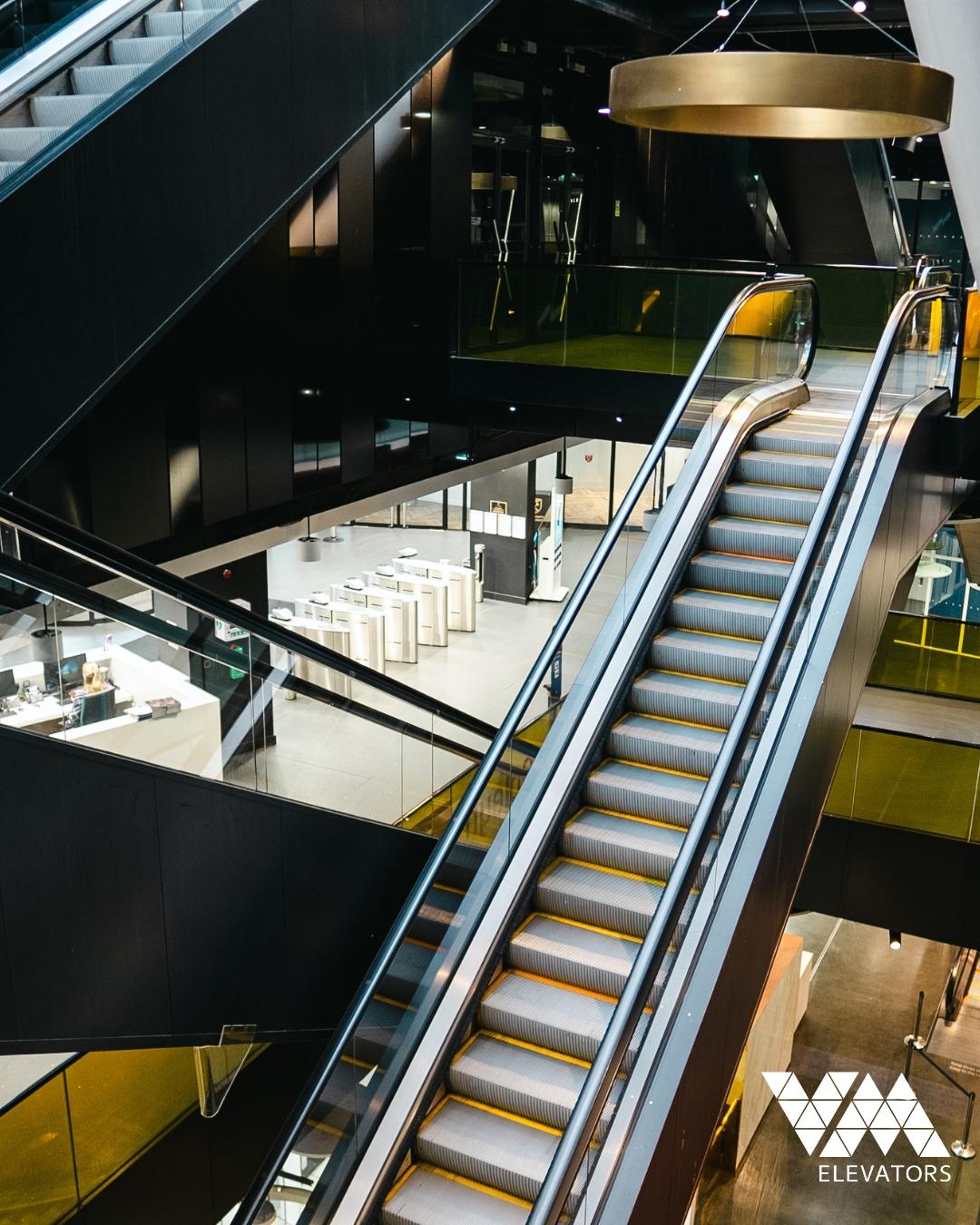
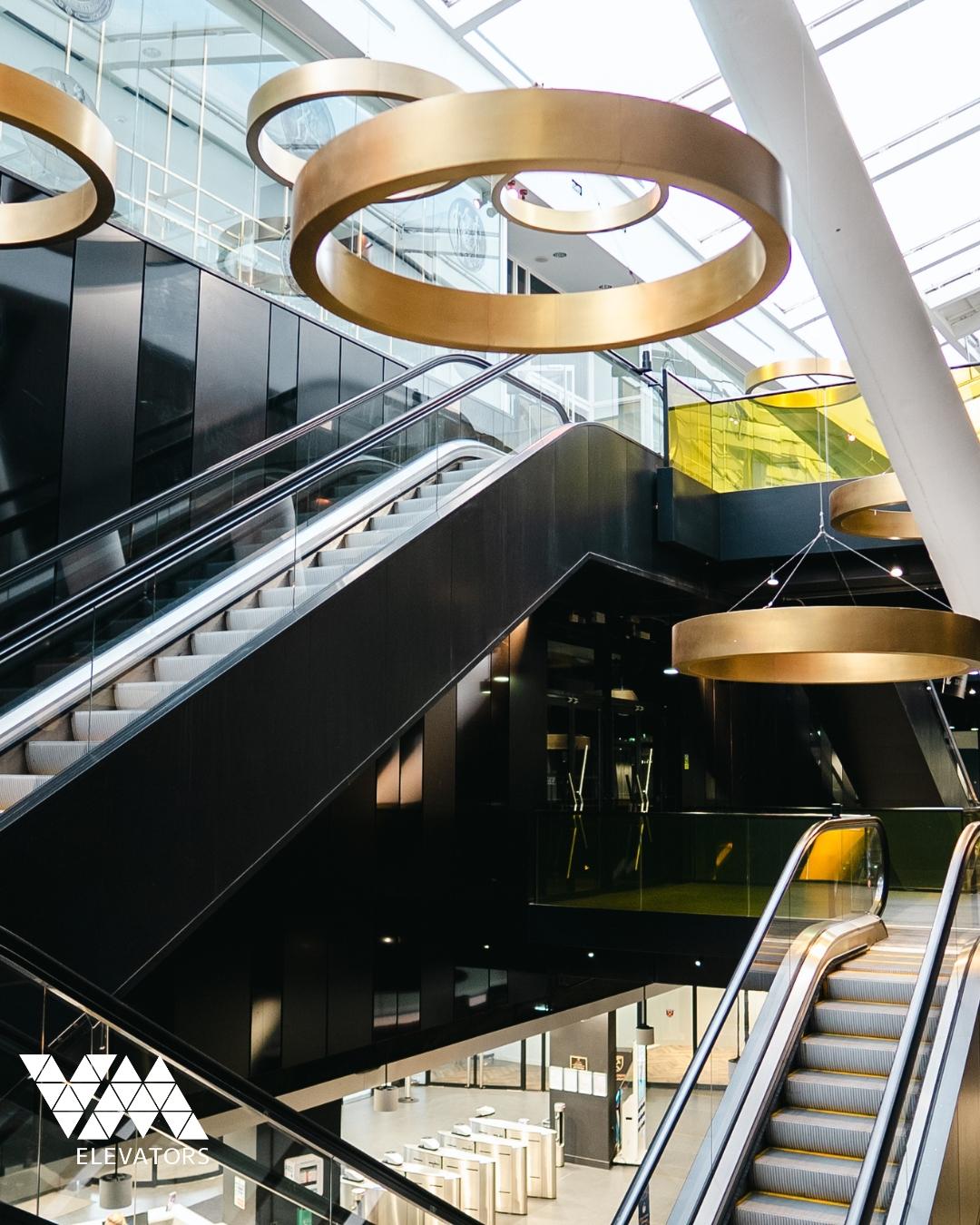
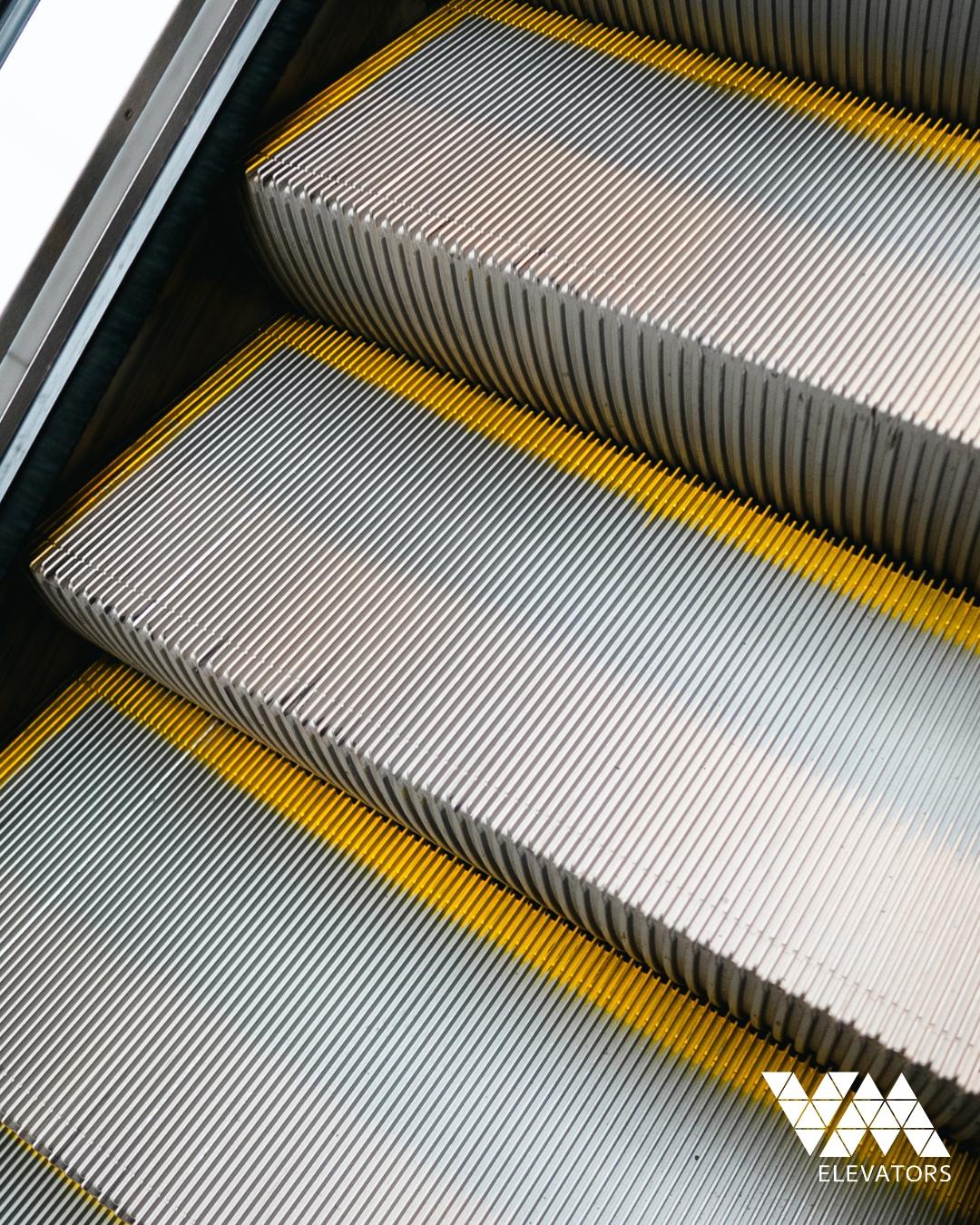
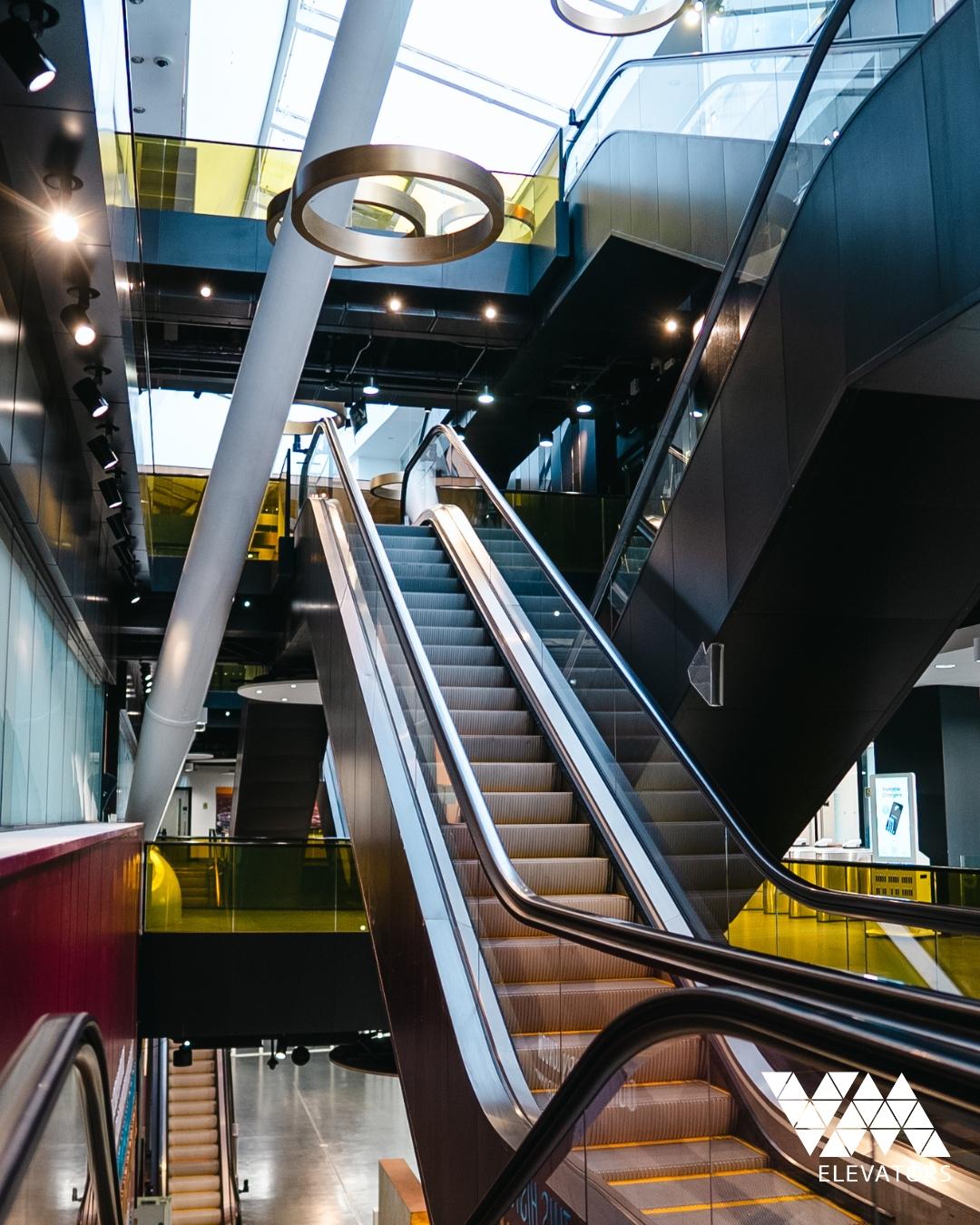
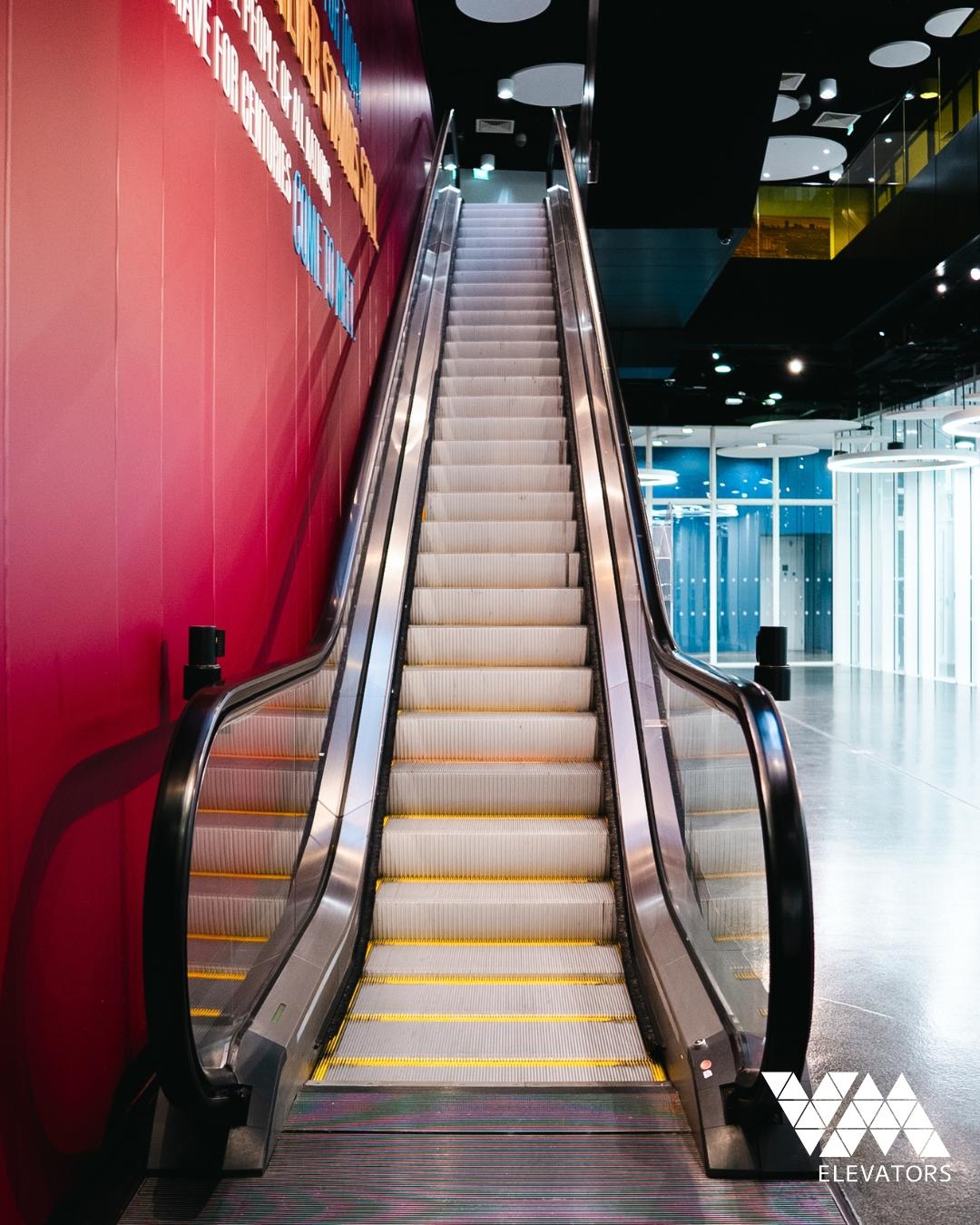
We talk a lot about lifts, so it’s easy to forget that we also maintain escalators. Here’s a few shots of the escalators we look after at London Stadium… and yes, we’re a little obsessed with these photos! 😍
Supporting the operation of London Stadium showcases our ability to deliver premium escalator maintenance in one of London’s busiest and most demanding public environments.
Through technical expertise, proactive planned maintenance and a commitment to exceptional service, we help keep one of the capital’s landmark venues moving safely and reliably, day in and day out.
If you’re looking for a dependable lift and escalator maintenance provider based in East London, we’d love to hear from you.
📞 0800 448 8615
💻 Get Quote – VM Elevators – Lift and Escalator Repair and Maintenance London UK
📷 IP of VM Elevators Ltd
Glass Lift Installation: Panoramic Lift Solutions
Glass Lifts: Design Options, Where They Work and What They Involve
Most lifts are designed to disappear into a building. A glass lift is designed to be seen. Whether it is a scenic lift rising through a hotel atrium, a frameless glass car in a luxury home, or a panoramic lift making a statement in a corporate headquarters, glass turns vertical transport into part of the architecture.
Glass lifts also come with their own set of design decisions, structural considerations and servicing implications that standard lifts do not. This guide covers the main design options for glass lift installation, where glass lifts work best, and what building owners and specifiers should know before committing to one.
What Is a Glass Lift?
A glass lift is any lift where glazing forms a significant part of the car, the shaft enclosure, or both. That covers a broad spectrum:
• Scenic lifts with a glazed car wall facing outward over an atrium, façade or view
• Fully glazed cars running in a conventional shaft, glazed on multiple sides
• Glass shaft structures, where the lift travels within a self-supporting glazed enclosure, often free-standing in an open space
• Frameless glass installations, the most architecturally ambitious option, minimising visible structure for a near-transparent lift
All use laminated safety glass engineered specifically for lift applications. This is structural glazing, not window glass, designed and tested to withstand the loads and impacts a lift environment imposes.
Design Options: Structural Glass vs Glazed Panels
The fundamental design choice is how the glass is carried.
Glazed panel construction fits toughened laminated glass panels within a framed car and shaft structure, typically in stainless steel or a powder-coated finish. The frame carries the loads; the glass provides the transparency. This is the most common and most economical route to a glass lift, offering wide flexibility in frame finishes, glass tints and panel arrangements, and it suits both new installations and glass upgrades to existing lifts.
Structural glass construction uses the glass itself as a load-bearing element, with minimal framing, discreet fixings and near-continuous transparency. Free-standing glass shaft structures and frameless cars fall into this category. The engineering is more demanding and the cost reflects it, but the result is the kind of installation that defines a space. These projects are bespoke by nature, designed around the building rather than selected from a catalogue.
Between the two sit countless hybrid options: glazed car fronts with solid rear walls, partial-height glazing, low-iron ultra-clear glass, tinted and fritted finishes, and integrated lighting that transforms the lift after dark.
Where Glass Lifts Work Best
Atriums and Commercial Buildings
The scenic atrium lift is the classic application. In offices, shopping centres and mixed-use developments, a glass lift animates the vertical space, aids wayfinding, and turns an ordinary journey into part of the building’s experience. For corporate headquarters, a panoramic lift in the entrance space is as much a statement of brand as of engineering.
Hotels and Hospitality
Few settings reward a glass lift like a hotel. Scenic lifts through lobby atriums give guests a moment of theatre, and glazed cars lift the perceived quality of the whole building. In boutique and luxury hospitality, bespoke glass lifts are increasingly part of the interior design concept itself.
Luxury Residential
In high-end homes and prime residential developments, glass lifts deliver light and openness where a solid shaft would close a space down. A frameless glass home lift can sit within a staircase void or an open-plan interior without visually dividing it, which is why glass features so heavily in the luxury residential market. Our guide to luxury lifts vs standard lifts explores that market in more depth.
Heritage and Listed Buildings
Counterintuitively, glass is often the most sympathetic material for adding a lift to a historic building. A transparent installation preserves sightlines and allows original fabric to remain visible, and conservation officers frequently prefer a clearly modern, reversible glass insertion over imitation period work. Our article on bespoke lifts in listed and heritage buildings covers the consent process in detail.
Planning and Structural Considerations
A glass lift is a structural project as much as a lift project, and the key considerations are worth understanding early.
Supporting structure. A conventional lift hides its structure in the shaft walls. A glass lift has nowhere to hide, so the structural design, whether a framed enclosure or structural glazing, must be resolved with the architecture, not bolted onto it. Free-standing glass shafts need foundations and lateral restraint designed for the location.
Drive selection and equipment placement. Transparency exposes everything, so machine-room-less traction systems with compact equipment are usually preferred, with careful attention to concealing rails, fixings and travelling cables as neatly as possible. Ride quality matters more in a glass lift, where passengers can see the shaft moving past them.
Solar gain and location. Glass lifts positioned against façades or under rooflights can heat up significantly. Glass specification, ventilation and, where necessary, climate control need addressing at design stage, not after handover.
Regulatory compliance. Glass lifts meet exactly the same safety standards as any other passenger lift, including the Lifts Regulations 2016 and BS EN 81-20, with glazing standards governing the glass itself. Transparency changes nothing about the compliance obligations.
Planning and consents. Internal installations rarely need planning permission, but listed building consent applies in designated heritage properties, and external or façade-mounted scenic lifts will engage the planning process.
Servicing and Maintaining Glass Lifts
Glass lifts carry a few maintenance implications worth budgeting for honestly.
The lift machinery is serviced exactly as any equivalent lift, on a planned maintenance contract with statutory LOLER thorough examinations. The differences are around the glazing: glass surfaces need regular professional cleaning to look their best, which is, after all, the point of a glass lift; access for cleaning shaft-side glass faces should be designed in from the start; and any damaged panel must be replaced with the correct specification of laminated safety glass through your lift contractor, never a general glazier.
Well designed and properly maintained, a glass lift is no less reliable than any other quality installation, and modern MRL equipment keeps energy use low.
Bespoke Glass Lifts with VM Elevators
VM Elevators designs, installs and maintains glass and scenic lifts across London, Essex, the Home Counties and nationwide, from panoramic atrium lifts in commercial and hospitality settings to frameless glass installations in luxury homes and heritage properties. Every project is engineered around the building, with structural design, glazing specification and lift engineering delivered as one package.
If you are considering a glass lift for your property or project, visit our luxury lifts page or call 0800 448 8615 to discuss your requirements with our design team.
VM Elevators Awarded Once For All Health & Safety SSIP Certification
VM Elevators is proud to announce that we have successfully achieved Once For All Health & Safety SSIP certification, provided through our Constructionline membership.
This recognised certification follows an independent assessment of our health and safety documentation, management arrangements and working practices. It provides customers, contractors and procurement teams with further assurance that VM Elevators has appropriate systems in place to manage health and safety effectively.
SSIP stands for Safety Schemes in Procurement and was established to improve health and safety standards while reducing unnecessary duplication during supplier pre-qualification. Once For All Health & Safety assesses businesses against the SSIP core criteria, including health and safety policies, competent advice, workforce training, risk assessment, safe systems of work, accident reporting, monitoring and ongoing review.
Supporting a Strong Health and Safety Culture
The successful award reflects the continued importance that VM Elevators places on protecting our employees, customers, subcontractors and everyone who may be affected by our work.
Working within the lift industry can involve complex environments and potentially significant risks. Our engineers may work in lift motor rooms, pits, shafts and other restricted areas, often within occupied buildings and operational premises. Effective planning, competence, communication and supervision are therefore essential to completing every task safely.
Our approach includes:
- Preparing suitable risk assessments and method statements for our activities
- Maintaining safe systems of work for lift maintenance, repair and installation
- Providing employees with appropriate training, information and supervision
- Ensuring engineers have the necessary competence and qualifications
- Consulting with employees on health and safety matters
- Reporting and reviewing accidents, incidents and near misses
- Monitoring our performance and identifying opportunities for improvement
- Working closely with customers, principal contractors and other site stakeholders
More Than a Certificate
Although we are delighted to receive this certification, health and safety is not treated as a one-off assessment or paperwork exercise at VM Elevators.
It is an ongoing responsibility that forms part of our everyday decision-making. We continue to review our policies, procedures, training requirements and operational controls to make sure they remain suitable for the work we undertake and the environments in which our teams operate.
Lessons from inspections, employee feedback, toolbox talks, near-miss reporting and completed projects are used to strengthen our arrangements and encourage continuous improvement throughout the business.
Confidence for Our Customers
Once For All Health & Safety SSIP certification provides independent confirmation that our health and safety arrangements have been assessed against recognised industry criteria.
For our customers, this provides additional confidence when appointing VM Elevators for lift maintenance, repair, modernisation and installation work. It also supports a more efficient procurement process by reducing the need to repeatedly complete similar health and safety assessments for different clients and contracts.
This achievement complements our wider commitment to quality, environmental responsibility, employee wellbeing and consistently high standards of service.
We would like to thank everyone at VM Elevators whose continued care, professionalism and attention to safe working practices contributed to this successful result.
Safety remains a shared responsibility, and we will continue working together to ensure that everyone goes home safely at the end of each working day.
Lift Refurbishment: Upgrade & Modernisation
Lift Refurbishment: What Is Involved, How Long It Takes and When It Is the Right Choice
A lift does not have to fail before it starts costing you money. Rising callout frequency, dated interiors, obsolete spare parts and complaints from building users are all signs that a lift is approaching the point where doing nothing becomes the most expensive option. For many buildings, the answer is not a full replacement. It is a lift refurbishment.
This guide explains what a lift refurbishment actually involves, how long a typical project takes, and how to decide whether refurbishment, modernisation or replacement is the right route for your building.
What Is a Lift Refurbishment?
A lift refurbishment upgrades or replaces selected components of an existing lift while retaining the parts of the installation that remain sound, typically the shaft, guide rails and structural elements. Rather than removing the entire lift, a refurbishment targets the areas where age is showing: the car interior, the doors, the control system and the drive components.
The result is a lift that looks, performs and complies like a new installation, at a significantly lower cost and with far less disruption than a full replacement.
Refurbishment sits on a spectrum. At one end is a cosmetic refresh of the car interior. At the other is a comprehensive programme that replaces the controller, drive, doors and car in a single project, sometimes called a full modernisation. Most refurbishments fall somewhere in between, shaped by the condition of the existing equipment and the priorities of the building owner.
What Does a Lift Refurbishment Include?
Every project is scoped individually following a site survey, but a typical refurbishment draws from the following areas.
Car Interior
The most visible element of any refurbishment. Wall panels, flooring, ceilings, lighting, mirrors, handrails and car operating panels are replaced or re-lined. LED lighting is now standard, cutting energy use and maintenance visits. For buildings where appearance matters, from residential lobbies to hotels, the interior refresh alone can transform how the lift is perceived by users.
Landing and Car Doors
Doors account for a large share of lift breakdowns. Worn door operators, rollers, tracks and safety edges cause the nuisance faults that generate callouts: doors that stall, re-open repeatedly or fail to close. Replacing door operators and fitting modern full-height safety curtains improves reliability and passenger safety in one step.
Control System
Older relay-based or early electronic controllers are a common driver of refurbishment. Spare parts become scarce or obsolete, fault-finding takes longer, and downtime stretches from hours into days while components are sourced. A new microprocessor controller restores parts availability, improves ride quality and journey times, and adds diagnostic capability that makes future maintenance faster.
Drive and Motor
Replacing an ageing drive with a modern variable frequency drive delivers smoother acceleration, accurate floor levelling and a substantial reduction in energy consumption. Where the existing motor is retained, it is inspected, tested and overhauled as required.
Safety and Compliance Upgrades
A refurbishment is the natural point to address compliance. That can include car top controls, emergency communication systems ready for the digital phone network, improved guarding, and any items raised in your LOLER thorough examination reports.
How Long Does a Lift Refurbishment Take?
Timescales depend entirely on scope, but as a working guide:
• Interior refurbishment only: typically 1 to 2 weeks per lift
• Doors and door operators: typically 1 to 2 weeks per lift
• Controller and drive replacement: typically 2 to 4 weeks per lift
• Comprehensive refurbishment (controller, drive, doors and car): typically 4 to 8 weeks per lift
Lead times for equipment should be factored in ahead of works starting, usually 6 to 12 weeks depending on specification. In multi-lift buildings, works are phased so at least one lift remains in service at all times. A well-planned refurbishment keeps disruption to building users to a minimum, which is one of its main advantages over replacement.
Refurbishment, Modernisation or Replacement?
The three terms overlap, and the right choice comes down to the condition of your existing installation.
Refurbishment suits lifts where the core structure is sound and the issues are concentrated in specific areas: reliability, appearance, obsolete parts or compliance. It delivers the biggest improvement per pound spent.
Modernisation is a broader programme, typically replacing the majority of the electrical and mechanical equipment while retaining the shaft. If your lift is over 20 to 25 years old and problems span multiple systems, modernisation is usually the more economical route than tackling components piecemeal. Our guide to warning signs your lift needs modernising covers the indicators in detail.
Replacement becomes the right answer when the existing installation is beyond economic upgrade, when the building’s requirements have changed, or when structural issues affect the shaft itself. Our comparison of lift replacement vs lift refurbishment walks through that decision.
If you are unsure where your lift sits, the starting point is a condition survey. An independent assessment of the controller, drive, doors, safety gear and car will tell you what genuinely needs replacing and what has years of service left, so you only pay for the work your building needs.
When Is Refurbishment the Right Choice?
Refurbishment is usually the right route when:
• Breakdowns are increasing but the lift’s core structure remains sound
• Spare parts for the controller or drive are becoming difficult to source
• The car interior is dated, damaged or no longer suits the building
• Door faults are generating repeated callouts
• Energy costs need reducing without the outlay of a full replacement
• The lift must keep running with minimal downtime, ruling out a lengthy replacement programme
• Compliance items need addressing, from emergency communications to safety edges
Our article on the 5 signs your lift needs refurbishment covers the warning signs in more depth.
Planning a Lift Refurbishment with VM Elevators
VM Elevators delivers lift refurbishment and modernisation projects across London, Essex, the Home Counties and nationwide, from single-lift residential buildings to phased multi-lift programmes in live commercial, healthcare and hospitality environments. Every project begins with a detailed survey and a clear scope, so you know exactly what is being replaced, why, and what it will achieve.
If your lift is showing its age, talk to our team about a refurbishment survey. Visit our lift modernisation page or call us on 0800 448 8615 for a free consultation.
Luxury Lifts: Why Custom Control Panels Matter in High-End London Properties
User experience plays an increasingly important role in modern lift design. In luxury properties across London, the lift journey is expected to feel seamless, intuitive, and refined.
This is where custom lift control systems make a significant difference.
The Importance of Lift User Experience
For many residents and guests, the lift is one of the most frequently used features of a building. Poorly designed controls or slow response times can quickly undermine the experience of an otherwise exceptional property.
Luxury lift design focuses not only on appearance but also on how people interact with the lift system.
Intuitive Control Panels
Custom control panels allow designers to create interfaces that are easy to use and visually consistent with the building’s interior design.
Buttons, indicators, and displays can be integrated into bespoke materials such as glass, metal, or stone finishes.
In many luxury developments, control panels are designed as architectural features rather than simple functional elements.
Smart Destination Control
Destination control systems are increasingly used in high-end buildings. Instead of selecting a floor inside the lift, users enter their destination before entering the lift.
The system then assigns the most efficient lift, reducing waiting times and improving building traffic flow.
Accessibility and Inclusive Design
Luxury lift systems should also prioritise accessibility. Custom control systems can incorporate larger buttons, tactile indicators, voice announcements, and intuitive displays.
These features ensure the lift remains accessible to people of all ages and abilities.
A Seamless Part of the Building Experience
When thoughtfully designed, lift controls become a natural extension of the building’s architecture and user journey.
From the lobby call station to the cabin interior, every interaction should feel considered and effortless.
VM Elevators works with designers and architects to deliver luxury lift user experiences for London properties, ensuring control systems match both the visual and functional expectations of premium developments. Contact us today and see how we can elevate your building.
VM Elevators enters 4th year sponsorship with JHKA Karate and Forza Karate Club at the World Karate Federation Youth Cup 2026
Join the thread: VM Elevators Ltd | LinkedIn

The team is ready to go! 👊
We couldn’t be prouder to be entering our fourth year as the club’s main sponsor and to continue supporting this incredible team on their journey.
Watching the club go from strength to strength has been a privilege. From earning World Karate Federation Youth Cup podium finishes, including two Bronze medals, one Silver medal, and the club’s first-ever World finalist, to seeing every athlete give their all on the world stage, the dedication and determination shown by this team continue to inspire.
Success isn’t measured by medals alone. Every competitor represents the club with pride, resilience and sportsmanship, and that’s something worth celebrating.
Good luck to all our athletes competing at the World Karate Federation (WKF) Youth Cup 2026. We’ll be cheering you on every step of the way, with plenty more exciting moments still to come this season! 🏴


1 July 2026: Sponsorship update from JHKA Karate and Forza Karate Club
‘𝑨 𝒇𝒂𝒏𝒕𝒂𝒔𝒕𝒊𝒄 𝒕𝒉𝒓𝒆𝒆 𝒅𝒂𝒚𝒔 𝒕𝒓𝒂𝒊𝒏𝒊𝒏𝒈 𝒊𝒏 @𝒌𝒂𝒓𝒂𝒕𝒆𝒑𝒐𝒓𝒆𝒄2026 🥋 🇭🇷 🔥 😁 𝑺𝒐 𝒊𝒎𝒑𝒓𝒆𝒔𝒔𝒆𝒅 𝒂𝒏𝒅 𝒑𝒓𝒐𝒖𝒅 𝒐𝒇 𝒂𝒍𝒍 𝒐𝒖𝒓 𝒂𝒕𝒉𝒍𝒆𝒕𝒆𝒔 𝒕𝒉𝒂𝒕 𝒉𝒂𝒗𝒆 𝒕𝒐𝒐𝒌 𝒑𝒂𝒓𝒕 𝒊𝒏 𝒕𝒉𝒆𝒔𝒆 𝒕𝒓𝒂𝒊𝒏𝒊𝒏𝒈 𝒔𝒆𝒔𝒔𝒊𝒐𝒏𝒔 𝒍𝒆𝒅 𝒃𝒚 𝒔𝒐𝒎𝒆 𝒐𝒇 𝒕𝒉𝒆 𝑾𝒐𝒓𝒍𝒅’𝒔 𝒈𝒓𝒆𝒂𝒕𝒆𝒔𝒕 𝒌𝒂𝒓𝒂𝒕𝒆 𝒌𝒂! 🌍 🥋 𝑨𝒕 𝒔𝒖𝒄𝒉 𝒂 𝒚𝒐𝒖𝒏𝒈 𝒂𝒈𝒆, 𝒚𝒐𝒖 𝒉𝒂𝒗𝒆 𝒂𝒍𝒍 𝒔𝒉𝒐𝒘𝒏 𝒎𝒂𝒕𝒖𝒓𝒊𝒕𝒚 𝒂𝒏𝒅 𝒄𝒐𝒏𝒇𝒊𝒅𝒆𝒏𝒄𝒆! 𝑨𝒍𝒍 𝒘𝒉𝒊𝒍𝒔𝒕 𝒉𝒂𝒗𝒊𝒏𝒈 𝒇𝒖𝒏 𝒂𝒏𝒅 𝒆𝒏𝒋𝒐𝒚𝒊𝒏𝒈 𝒚𝒐𝒖𝒓𝒔𝒆𝒍𝒇 😁😁
𝑫𝒂𝒚 𝒇𝒐𝒖𝒓 𝒕𝒐𝒎𝒐𝒓𝒓𝒐𝒘 (𝒄𝒐𝒎𝒑𝒆𝒕𝒊𝒕𝒊𝒐𝒏 𝒅𝒂𝒚) 𝒂𝒏𝒅 𝒎𝒐𝒓𝒆 𝒐𝒇 𝒕𝒉𝒆 𝒔𝒂𝒎𝒆, 𝒊𝒇 𝒏𝒐𝒕 𝒃𝒆𝒕𝒕𝒆𝒓! 🔥 🥋 𝑳𝒆𝒕’𝒔 𝒈𝒐! 👊👏’

2 July 2026: Sponsorship update from JHKA Karate and Forza Karate Club

We are very proud of the whole team!!🥉 🔥 ❤️ 😁
Our first under 21 medalist for JHKA Karate 🔥
World Karate Federation (WKF) Youth Cup 2026
So proud, Ethan, U21 Male -67 kg Bronze Medallist 🥉 🌍 trained three days with World and Olympic medallists and then competed in the WKF Youth Cup where he will be bringing home a world bronze medal!! 🔥
Lots of the team were first timers at international level, lots of positives from their performances! Let’s get back to the dojo and build on this 👏
So proud of our team, with all the hard work and sacrifices we all make, moments like this that we will remember for the rest of our lives 🥇
Exciting times for England! And Team FKA! 🏴
