Category Archives:
London Stadium, 2025-2026 Premier League Season
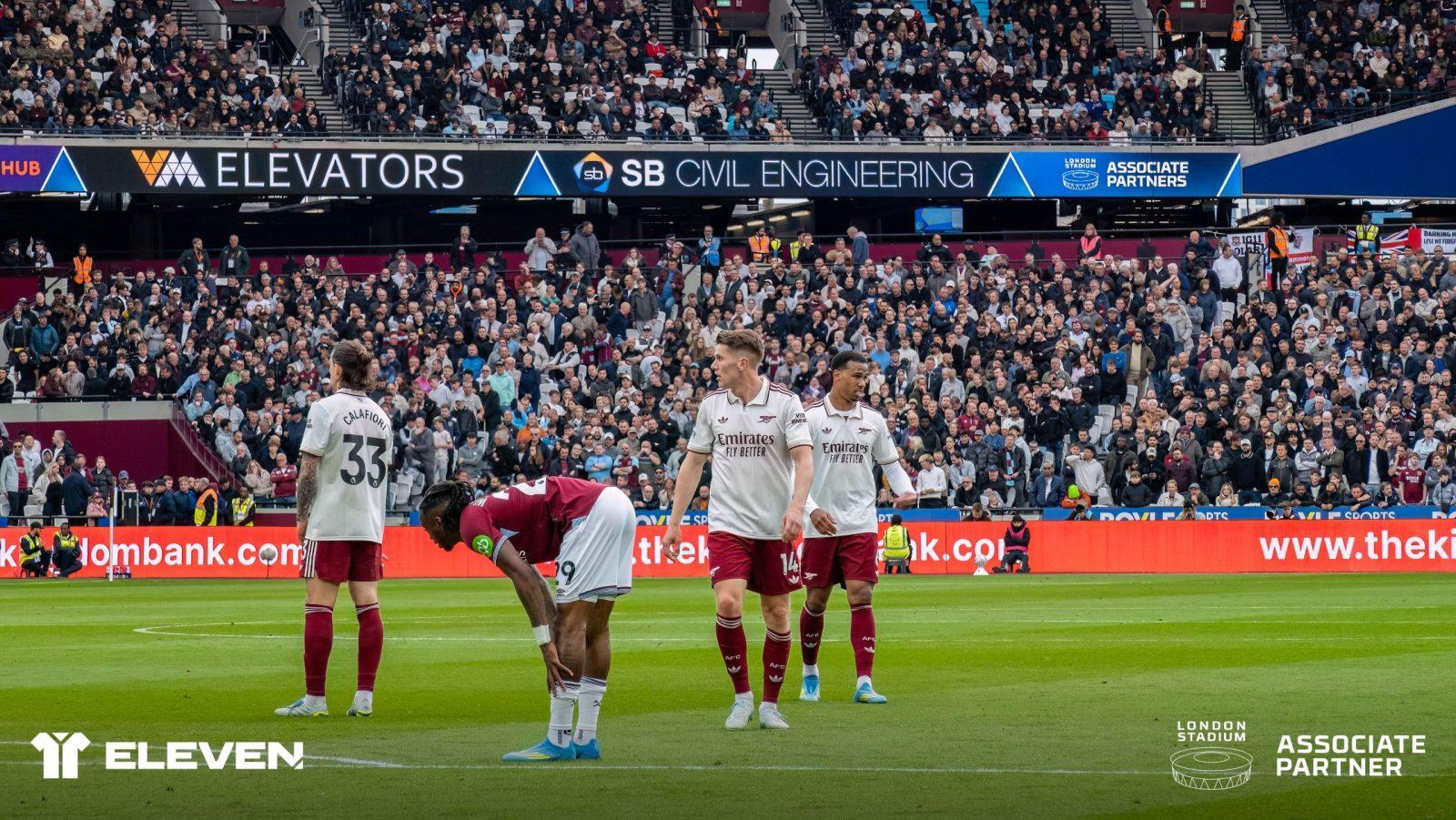
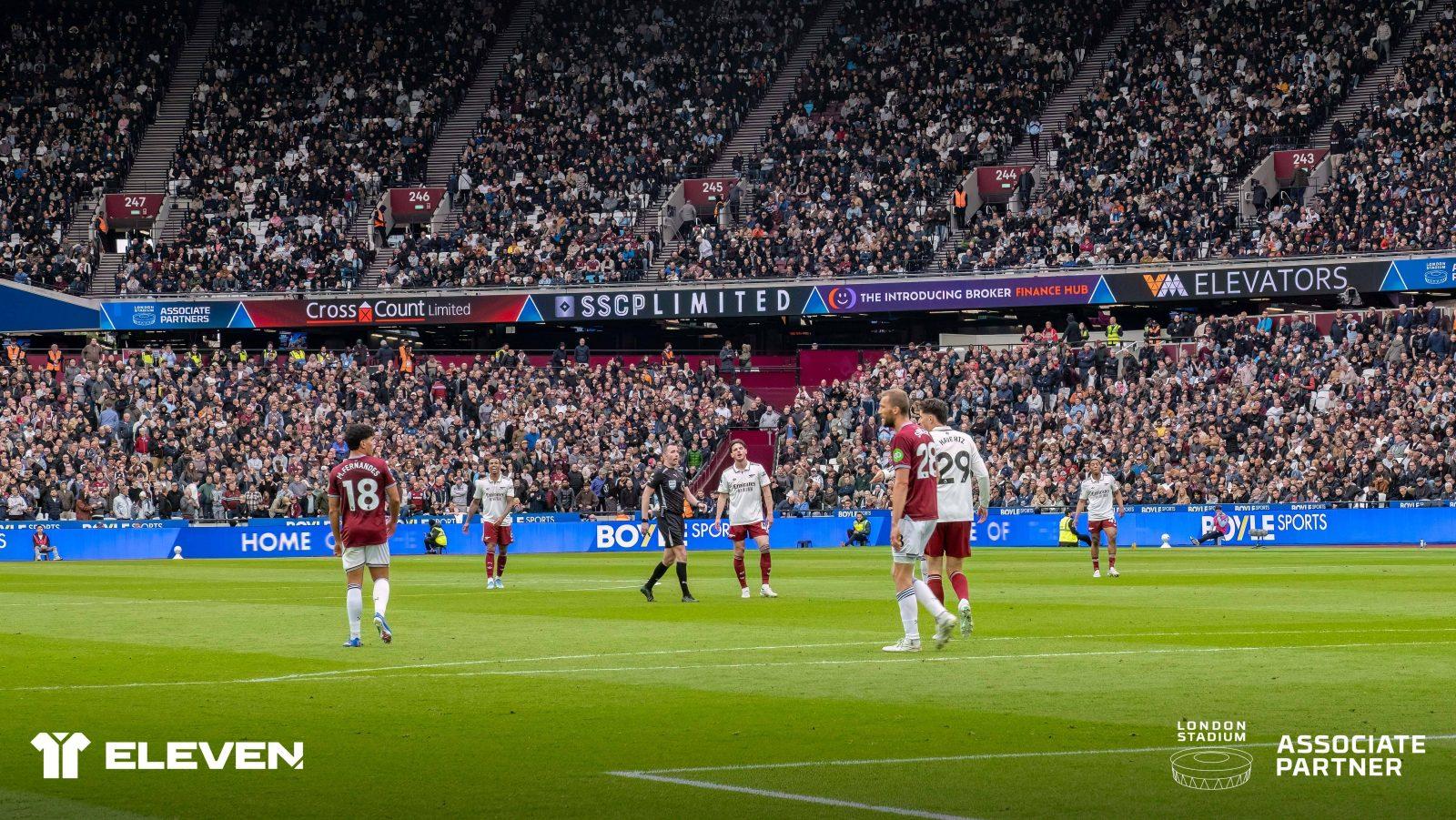
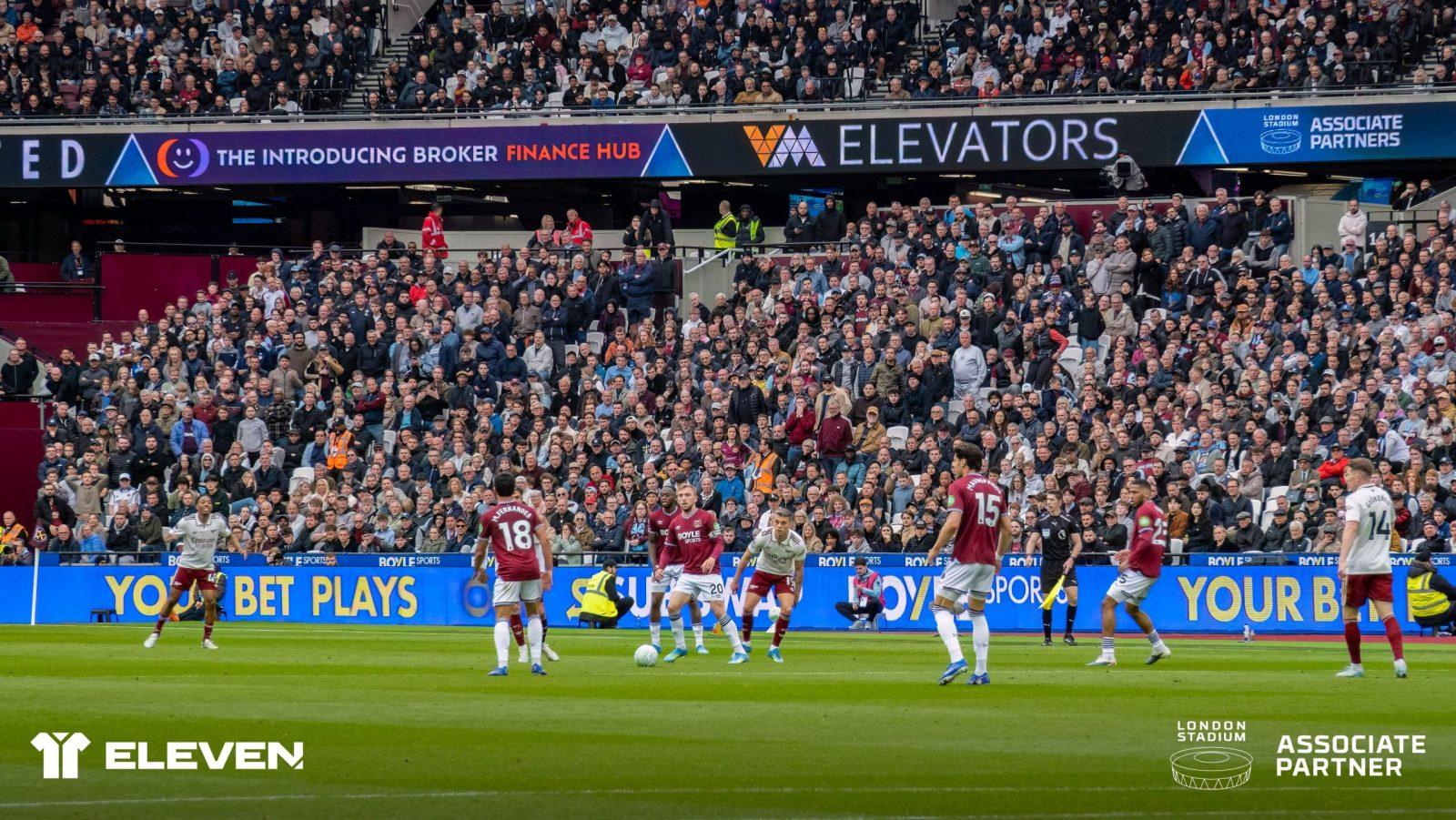
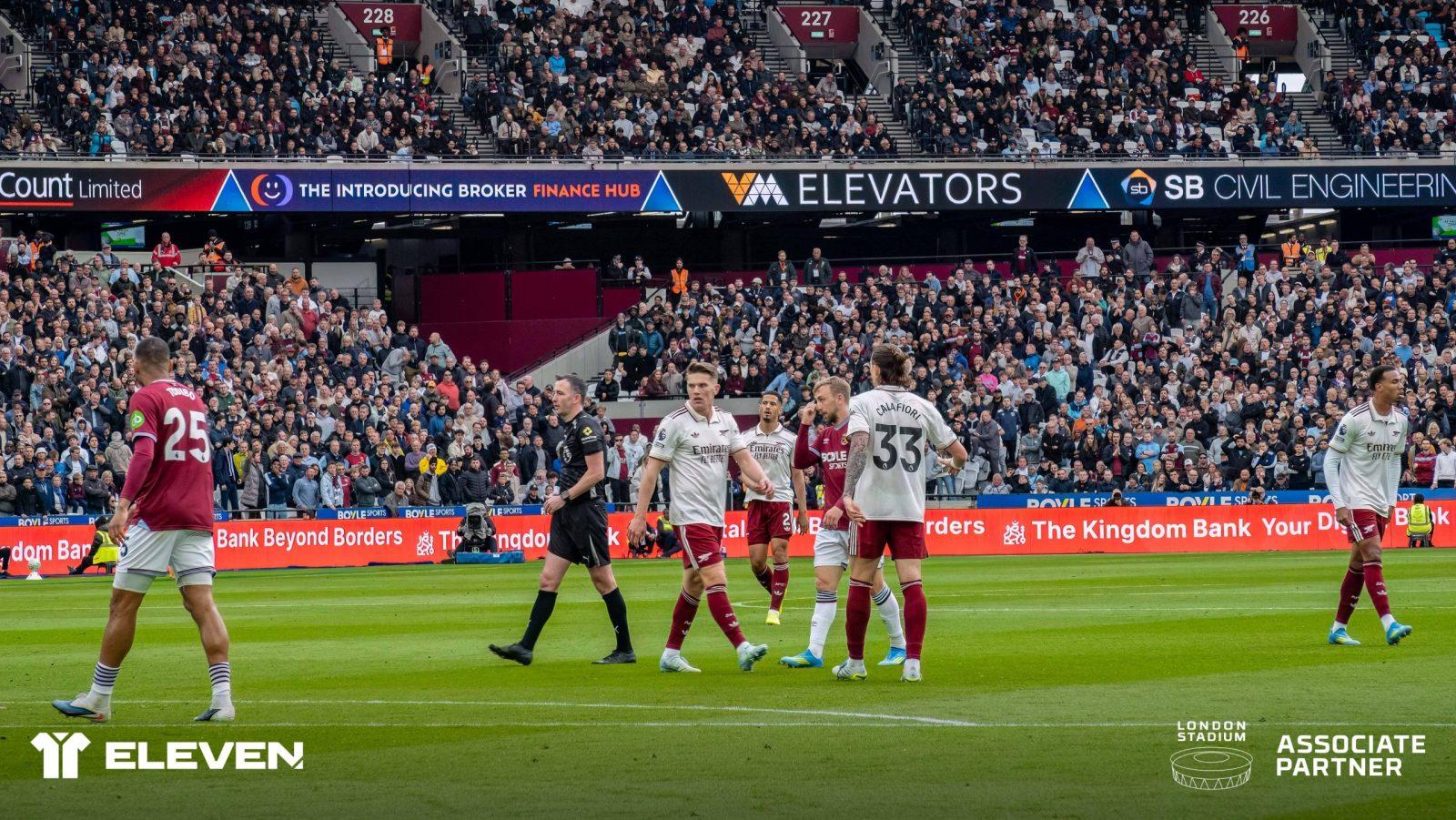
🏆 Arsenal are Premier League champions! What a remarkable season and a fantastic achievement for the club, their players and supporters. A proud moment for football in London! As part of the London Stadium Associate Partnership, we have loved being involved in the excitement of another memorable Premier League season. From unforgettable matchdays to the electric atmosphere that only London Stadium can deliver, it has been brilliant to experience world-class football right here in the capital.
A huge well done as well to every club, player, manager and member of staff across the Premier League who has grafted throughout the season to make it one of the most competitive and entertaining leagues. Can we all agree that 2025-26 has been next level👏 👏 👏 .
Congratulations once again to the Arsenal on an exceptional season!
📸 from match on Sunday 10 May 2026.
Lift Regulations 2016 for Passenger Lifts and Escalators
UK Lift Maintenance Regulations: What Building Owners and Facilities Managers Must Know
If you own or manage a building with a lift, you have specific legal obligations that go well beyond simply keeping it running. UK law places enforceable duties on building owners, landlords and facilities managers, and failing to meet them can result in HSE enforcement action, unlimited fines, invalidated insurance, and serious liability if someone is injured.
This guide covers every key regulation and standard that governs lift maintenance in the UK, in plain English. We also highlight the details that most guides miss – including a distinction that could change your obligations entirely.
First: Does LOLER Apply to Your Lift?
Most guides skip straight to LOLER without explaining who it actually applies to. Getting this wrong matters.
LOLER only applies to lifts used by people at work.
If your lift is used by employees – in an office, warehouse, factory, or any workplace – LOLER applies in full, and the requirements are mandatory.
What about lifts used only by members of the public?
In a public area of a shopping centre, hotel, or retail space where the lift is not primarily used by employees, LOLER may not apply directly. However, under Section 3 of the Health and Safety at Work Act 1974, you still have a general duty of care to members of the public. The HSE’s guidance makes clear that a similar regime of maintenance, inspection and thorough examination to that required under LOLER is likely to be “reasonably practicable” and insurers will typically require it regardless.
In practice, for almost every building with a passenger lift, LOLER-equivalent standards apply. The distinction matters legally, but not operationally.
The Core Regulations
Lifting Operations and Lifting Equipment Regulations 1998 (LOLER)
LOLER is the primary legislation governing lifts in UK workplaces. It is enforced by the Health and Safety Executive (HSE) and creates specific duties for anyone responsible for lifting equipment used at work.
Under LOLER you must:
- Ensure that the lift is thoroughly examined by a competent person at statutory intervals to meet the regulations 2008.
- For passenger-carrying lifts: thorough examination at least every six months
- For lifts carrying goods only: thorough examination at least every twelve months
- Act on any defects or recommendations raised – within the timeframes specified
- Keep written records of every thorough examination
Thorough examination is not the same as routine servicing. This is the most commonly misunderstood aspect of LOLER. A thorough examination is a formal, documented inspection by an independent competent person and it is in addition to your regular maintenance visits, not a replacement for them.
What does a LOLER thorough examination cover?
A competent examiner will systematically check all safety-critical components, including:
- Landing and car doors and their interlocks
- Suspension ropes or chains are critical components in the lift installation process.
- Safety gear and overspeed governors are essential safety components for lifts.
- Braking systems
- Hydraulic systems (where applicable)
- Electrical safety devices
- Overload detection devices must meet the safety requirements outlined in the regulations 2016.
- Main drive system components
Examination schemes: the alternative to fixed intervals
Rather than defaulting to 6-monthly examinations, a competent person can draw up a written examination scheme tailored to your specific lift. The scheme may specify different intervals which could be longer or shorter, based on a thorough risk assessment of the lift’s type, usage, age and condition. An examination scheme can be particularly appropriate for infrequently used lifts or specialist equipment. However, it must be drawn up by a genuinely competent person and properly documented.
What is Form F2?
Following every thorough examination, the competent person is legally required to provide you with a written report which is commonly known as Form F2 (or equivalent) safety requirements. This report must be received within 28 days of the examination, or sooner if a dangerous defect is found.
The report will classify any defects found into categories, including those related to safety components for lifts.
- Immediate danger. The lift must be taken out of service immediately!
- Time-limited defect . The lift can continue in use, but the defect must be remedied by a specified date
- Observation. Recommended improvements that are not immediately safety-critical
Keep all Form F2 reports as they are your primary evidence of compliance.
Provision and Use of Work Equipment Regulations 1998 (PUWER)
PUWER places duties on businesses to ensure that all work equipment – including lifts – is:
- Suitable for its intended purpose and for the conditions in which it is used
- Maintained in a safe condition at all times to adhere to the safety requirements of lift regulations.
- Inspected by a competent person at appropriate intervals
- Used only by people who have been given adequate information, instruction and training in accordance with the machinery directive.
For lift owners, PUWER effectively makes a regular maintenance contract a legal requirement, not just good practice. A lift that is not routinely serviced and kept in safe working order is in breach of PUWER.
Health and Safety at Work Act 1974
The overarching legislation underpinning all workplace health and safety in Great Britain. It places a general duty on employers to ensure, so far as is reasonably practicable, the health, safety and welfare of employees and anyone else affected by their operations – including building visitors and members of the public. A lift that is poorly maintained and causes injury can result in prosecution under this Act, even if other specific regulations are technically being met.
Management of Health and Safety at Work Regulations 1999 (MHSWR)
These regulations require employers to implement processes to identify and control health and safety risks associated with lifts and safety components. For lifts, this means carrying out a risk assessment, implementing a suitable maintenance programme, and keeping records of your preventative and protective measures.
The Key Industry Standard: BS EN 13015
Alongside the legal regulations, BS EN 13015:2001+A1:2008 The British Standard regulations apply that set out the technical requirements for lift and escalator maintenance programmes. It specifies what maintenance instructions manufacturers must provide, what a maintenance programme should cover, and what records must be kept.
BS EN 13015 is not itself a legal requirement, but it represents the accepted industry benchmark for competent maintenance. Any reputable lift maintenance contractor should work to this standard. It is frequently referenced in insurance assessments and legal proceedings when determining whether a duty of care has been met.
Building Regulations and Accessibility
Approved Document M – Accessibility
Part M of the Building Regulations (England and Wales) sets out the access requirements for buildings in accordance with the lift regulations. While it primarily governs new construction and major refurbishments, it defines the standard your lift is expected to maintain. Ongoing maintenance plays a direct role in keeping your lift accessible to all users including those with disabilities.
Approved Document B – Fire Safety
Part B covers fire safety in buildings, including requirements for firefighting lifts, evacuation lifts, and the fire rating of lift doors and enclosures. Ensuring that fire-rated components associated with your lift are maintained and functional is part of your fire safety compliance obligation under the lifts regulations 2016.
The Equality Act 2010
The Equality Act requires building owners to take reasonable steps to remove barriers for disabled people. For many users including wheelchair users, people with mobility impairments, and others, the lift is the only viable means of vertical access. A lift that is out of service due to neglected maintenance, or that has deteriorated to the point where it no longer meets accessibility standards, can expose you to claims under the Equality Act.
What Happens When a Defect Is Found
Your obligations when a defect is reported are clearly defined under LOLER:
- If the defect poses immediate danger you must take the lift out of service immediately to comply with the machinery directive. Do not wait. Continuing to use a lift with a known dangerous defect is a criminal offence.
- If a time-limited defect is specified you must arrange repair before the deadline stated in the Form F2 report. After that date, the lift must not be used until the defect is remedied.
- In all cases you should keep the Form F2 report on file, document the action you took, and record when the remedial work was completed to ensure compliance with the declaration of conformity.
The HSE can request to see your examination reports and maintenance records at any time. If a serious incident occurs and you cannot demonstrate that you acted on defect reports promptly, your liability is significantly increased.
Consequences of Non-Compliance
Non-compliance with lift maintenance regulations carries serious risks:
- HSE enforcement action – improvement notices, prohibition notices (which shut the lift down immediately), or prosecution
- Unlimited fines – there is no upper limit on fines for health and safety offences in the UK
- Criminal prosecution – company directors and senior managers can be personally prosecuted in serious cases
- Civil liability – if a person is injured on a poorly maintained lift, you may face a personal injury claim that is very difficult to defend without adequate maintenance records
- Insurance invalidation – most commercial property and public liability policies require evidence of regular maintenance and thorough examinations; failure to maintain records can invalidate your cover entirely
- Reputational damage – particularly severe in healthcare, hospitality, residential property management, and public-sector settings
Selecting a Competent Person
LOLER repeatedly refers to work being carried out by a competent person. This has a specific meaning: the person must have sufficient technical and practical knowledge of lifts to detect defects and assess their significance.
Critically, the competent person carrying out the thorough examination should be independent from the company that carries out routine maintenance. Having the same engineer examine their own work is not considered sufficiently impartial to meet the regulations that apply for safety compliance. Many building owners arrange for their insurer or an independent inspection body to carry out LOLER examinations.
When selecting a lift maintenance contractor, look for:
- Membership of the Lift and Escalator Industry Association (LEIA)
- Accreditations such as CHAS Elite, Constructionline Gold or SafeContractor
- Clear contractual terms covering visit frequency, response times, and exactly what each visit covers
- Documented processes for record keeping and defect reporting must comply with the safety requirements outlined in the regulations 2016.
Record Keeping: What to Retain and for How Long
Good records are your primary defence in any enforcement action or civil claim. You should retain:
- All LOLER thorough examination reports (Form F2 or equivalent)
- Maintenance visit records, including components checked and any work carried out
- Records of repairs, part replacements and emergency callouts
- Risk assessments relating to the lift
- Documentation of defects raised and the actions taken to resolve them
There is no fixed statutory minimum retention period, but five years is the widely accepted industry minimum. Some legal advisors recommend retaining records for up to ten years, particularly for lifts with a history of defects or repairs.
Practical Compliance Checklist for Building Owners
Use this as a quick reference to confirm you are meeting your obligations:
- Lift maintenance contract in place with a reputable, accredited provider
- LOLER thorough examinations carried out at least every 6 months (passenger lifts) or 12 months (goods lifts) are in accordance with the lift regulations.
- Form F2 reports received within 28 days of each examination
- All defects acted on within specified timescales as required by the lift regulations.
- Maintenance visit records kept and up to date
- Risk assessment for the lift completed and reviewed periodically
- Records retained for a minimum of five years
- Emergency callout procedure in place for breakdowns and entrapments
Lift Maintenance in London, Essex and the Home Counties
If your building is in London, Essex, or the surrounding home counties, VM Elevators provides planned preventative maintenance contracts for passenger lifts, goods lifts, platform lifts and escalators across the region.
We hold CHAS Elite accreditation, Constructionline Gold status, and are members of LEIA – providing the independent assurance that your maintenance programme meets the standards required by UK law. Our engineers carry full maintenance records, provide documentation aligned with LOLER and PUWER requirements, and respond to emergency callouts 24 hours a day, 7 days a week.
Speak to our team about a maintenance contract for your building.
Areas covered: London · Essex · Berkshire · Cambridge · Canterbury · Chelmsford · Colchester · Croydon · Gillingham · Hampshire · Luton · Maidstone · Middlesex · Milton Keynes · Norwich · Oxford · Reading · Southend · Surrey · Sussex · Watford
VM Elevators Ltd is a LEIA member, CHAS Elite accredited, Constructionline Gold verified, and SafeContractor approved. We provide lift maintenance, repair, installation and modernisation services across London, Essex and the Home Counties.
Our guide to lift maintenance contracts explains how comprehensive and standard cover differ and what each means for compliance.
The Ultimate Guide to Luxury Lift Installation in the UK
Luxury lifts in London have become a defining feature of high-end residential developments, boutique hotels, and prestigious commercial spaces. In many modern buildings, the lift is no longer simply a practical necessity. It has become an integral design element that reflects the quality, craftsmanship, and attention to detail of the wider development.
Across London’s premium property market, luxury lifts are expected to deliver far more than vertical transportation. They must provide exceptional ride quality, seamless integration with the building’s architecture, and a refined passenger experience that aligns with the standards of the property.
Understanding the Installation Process
The installation of luxury lifts in London begins with a thorough assessment of the building itself. Structural layout, floor levels, available shaft space, and passenger demand all influence the type of lift system that will ultimately be installed.
In many luxury developments, bespoke lift solutions are preferred. Unlike standard lift systems, bespoke lifts allow developers and architects to customise every element of the installation. This may include cabin size, door configurations, shaft dimensions, and the overall design of the lift interior.
Early collaboration between lift engineers, architects, and developers is essential during this phase. By integrating the lift specification into the design process from the outset, projects can avoid spatial limitations and ensure that the lift complements the building rather than feeling like an afterthought.
Design and Interior Finishes
The interior design of luxury lifts is often where projects truly stand apart. In London’s most prestigious developments, lift cabins are treated as an extension of the building’s interior architecture.
Materials such as glass, stainless steel, natural stone, timber veneers, and bespoke lighting are frequently used to create distinctive lift interiors. Panoramic glass lifts are also increasingly popular in luxury properties, offering striking visual impact while allowing natural light to enter the lift shaft.
Control panels and user interfaces are also carefully considered. Modern luxury lifts often feature minimalist touch panels, flush-mounted controls, and intelligent destination systems that improve passenger flow while maintaining a clean aesthetic.
Performance and Ride Quality
While design is an important element, the engineering performance of luxury lifts is equally critical. Premium developments demand lift systems that deliver a smooth, quiet, and reliable passenger experience.
Advanced traction systems, high-quality guide rails, and precision engineering all contribute to improved ride quality. In residential buildings, this is particularly important as lift noise and vibration must be minimised to ensure comfort for occupants.
Modern lift systems also incorporate energy-efficient technologies. Regenerative drives, standby modes, and efficient motor systems help reduce energy consumption while maintaining high performance levels. These technologies are becoming increasingly important as sustainability considerations influence construction across London.
Luxury Lifts as Part of the Building Experience
In high-end developments, luxury lifts contribute to the overall experience of the building. From the moment passengers enter the lift lobby to the journey between floors, every detail plays a role in shaping the perception of quality.
For developers and architects working within the luxury property sector, investing in well-designed luxury lifts in London ensures that the vertical transport system reflects the same standards of excellence seen throughout the rest of the building.
At VM Elevators, we specialise in creating bespoke, precision-engineered luxury lift solutions that seamlessly integrate with high-end architecture. Whether it’s panoramic glass lifts, custom interiors with premium materials, or fully tailored systems for residential and commercial developments, our installations enhance both functionality and wow-factor.
With over 18 years of expertise across London and the UK, we deliver reliability, elegance, and uncompromising quality, turning every lift journey into a statement of luxury.
Ready to elevate your next project? Contact VM Elevators today to discuss how we can bring your vision to life.
COURTENEY RAISES £710 FOR SANDS – BABY LOSS CHARITY
Huge congratulations to our team mate, Court who completed the London Half Marathon on behalf of Sands – baby loss charity.
Courteney raised an incredible £710 for Sands. A heartfelt thank you to everyone who donated and supported her, your kindness and generosity will help make a real difference to families who need it most.
Courteney’s achievement comes at a particularly poignant time, as greater attention is finally being given to women’s health. High-profile voices such as Myleene Klass and Louise Thompson continue to speak out about their own harrowing experiences of miscarriage and birth related trauma.
In the last month, Northern Ireland became the first part of the UK to introduce paid leave for miscarriage on 6 April 2026. And 2 weeks later, Louise Thompson’s and former MP Theo Clarke’s high profile e-petition
calling for the appointment of a Maternity Commissioner to improve maternity care, accountability, and services in the UK was heard in parliament.
Charities like Sands not only offer vital support to those experiencing pregnancy loss, but also play a crucial role in raising awareness, improving care, and helping to break the silence around such a deeply personal and often isolating experience. Their work continues to make a meaningful difference to countless families across the UK, ensuring that no one has to navigate loss alone. Their dedication, compassion, and unwavering commitment provide comfort, guidance, and a sense of community when it is needed most.
Well done Courteney, we are all so proud of you!
There’s still time to donate to Courteney’s run – if you’d like to: https://bit.ly/47HnDpI
UK Comprehensive Lift Maintenance & Service Contracts
Lift Maintenance Contracts: A Complete Guide for UK Building Owners
If your building contains a passenger lift, goods lift, or platform lift, a lift maintenance contract isn’t optional it’s a legal necessity. But not all contracts are equal, and the difference between a well-structured agreement and a poorly written one can mean unexpected repair bills, compliance failures, or extended downtime when a breakdown occurs.
This guide covers everything you need to know about lift maintenance contracts in the UK: what they are, what they must include, the different types available, how pricing works, and the contract terms that matter most when it comes to protecting your building and your budget.
Why a Lift Maintenance Contract is a Legal Requirement
Under UK law, building owners and managers have clear legal duties when it comes to their lifts. These obligations are set out across three key pieces of legislation.
The Health and Safety at Work etc. Act 1974
This Act places a general duty of care on employers and building owners to ensure that equipment, including lifts is safe for use by employees and members of the public. Where a lift is provided for use in a workplace, the building owner is the ‘duty holder’ responsible for its safe condition. A maintenance contract is the practical mechanism through which this duty is discharged.
PUWER (Provision and Use of Work Equipment Regulations 1998)
PUWER applies to any lift used by employees or in a workplace setting. It requires that work equipment is maintained in an efficient state, in efficient working order, and in good repair. The regulations specify that maintenance records must be kept and your maintenance contract and its associated service reports are your PUWER compliance documentation.
It is worth noting that PUWER applies only to lifts used in connection with work. A lift in a residential building used solely by residents is not covered by PUWER, though other safety duties still apply.
LOLER (Lifting Operations and Lifting Equipment Regulations 1998)
LOLER goes further than PUWER by requiring thorough independent examinations which are like an ‘MOT-style’ inspection for lifts and they are conducted at defined intervals. For passenger lifts, this means at least every six months. For goods-only lifts, at least once every twelve months.
A LOLER examination must be carried out by a competent person who is sufficiently independent of the organisation managing the day-to-day maintenance. This independence requirement is important: the person conducting the thorough examination should not be the same person or organisation responsible for routine servicing, to avoid conflicts of interest. The examination record, known as the report of thorough examination, must be kept and made available to the relevant enforcing authority if requested.
A maintenance contract does not replace the LOLER thorough examination and the two are separate obligations. Many building owners arrange both through the same provider for convenience, but the examiner must still maintain their independence from the maintenance function.
What a lift maintenance contract should include
Scope of Equipment Covered
The contract should list every piece of equipment covered by name, type, and location. If you have multiple lifts across several floors or buildings, each should be itemised. Assumptions about what is and isn’t included can be costly.A well-drafted lift maintenance contract should specify the following clearly and unambiguously.
Visit Frequency and Schedule
The number of scheduled servicing visits per year should be stated explicitly. The minimum recommended is four visits per year for a standard commercial passenger lift; high-traffic installations may require more frequent attention. The contract should also specify what each visit covers not just that a visit will take place.
Response Time Commitments
For entrapment situations, industry expectation is a one-hour response time. For general faults, response times of four hours or less are reasonable for commercial buildings. These commitments should be written into the contract with clear definitions, not left as vague aspirations.
Check whether response time guarantees apply only during standard working hours or on a 24/7 basis. For residential blocks or buildings open outside office hours, 24-hour cover may be essential.
Documentation and Record-Keeping
Your provider should supply written service reports after every visit, detailing the work carried out, any defects identified, and any remedial action recommended. These records are your evidence of compliance under PUWER and LOLER, and you may need them in the event of an insurance claim or HSE inspection.
The lift maintenance logbook, which must be kept on-site and accessible to any lift personnel and should be updated after each visit. Confirm that your provider will do this as part of the contracted service.
Parts and Labour Exclusions
This is the area where contract disputes most commonly arise. Even comprehensive contracts will have an exclusions schedule. Common exclusions include:
• Vandalism, misuse, or damage caused by third parties
• Works required as a result of changes to legislation after the contract was signed
• Major structural modifications or building works
• Obsolescence: parts that can no longer be sourced for older lifts
• Decorative or cosmetic elements of the lift car
Ask your provider to walk through the exclusions schedule at the quotation stage. Understanding what isn’t covered is just as important as understanding what is.
Entrapment Procedures
The contract should confirm that the provider maintains a 24-hour rescue service for passengers trapped in the lift car. This is not just good practice but it is a requirement under EN 81-28, the European standard for remote alarms on passenger and goods lifts. Confirm that the contract includes remote monitoring and alarm response if applicable.
Red Flags to Watch for in a Lift Maintenance Contract
Not all contracts are written in the building owner’s interest. Before signing, watch for the following.
Vague Language Around Parts
Phrases such as ‘subject to availability’ or ‘fair wear and tear’ in the parts coverage section give the provider significant discretion to decline claims. Ask for specific confirmation of which major components so your drives, ropes, control gear, motors etc. area all included or excluded.
Proprietary Equipment Lock-In
Larger national providers sometimes install proprietary components or communication systems that can only be serviced by that provider, effectively locking you in at renewal. When procuring a new lift or modernisation, specify open-protocol equipment in the installation contract to preserve your freedom to switch maintenance providers later. At VM[SD1] we provided maintenance only in the London and the South East area and the job will be carried out by our inhouse engineers so you will never have this issue with us.
Automatic Renewal Clauses
Many contracts include automatic renewal provisions, whereby the contract rolls over for a further term unless you give notice to cancel within a specified window which is often 90 days before expiry. Miss the window and you may find yourself committed to another year at the same or higher price. Diary the notice deadline from day one.
How to Compare Lift Maintenance Contract Quotes
When comparing quotes from multiple providers, a like-for-like comparison requires you to look beyond the headline annual price. Use the following framework.
Total Cost of Ownership
Calculate the true annual cost by adding the contract fee to any likely out-of-contract costs: call-out charges, parts not covered, after-hours premiums. A lower headline price on a basic contract may cost significantly more in aggregate than a higher-priced comprehensive one.
Service Visit Scope
Two providers quoting four visits per year may offer very different scopes of work during each visit. Ask for a copy of the planned preventative maintenance schedule, the checklist of tasks the engineer will carry out and compare these directly.
Response Time Guarantees
Confirm whether response time commitments are contractual obligations or targets. A contractual commitment carries consequences if missed; a target does not.
Engineer Qualifications and Accreditation
Your maintenance provider’s engineers should hold relevant industry qualifications and be in good standing with the relevant organisations. Look for LEIA (Lift and Escalator Industry Association) membership as a baseline indicator of professional standards. CHAS, Constructionline, and SafeContractor accreditations indicate that the company has passed third-party vetting for health and safety competence. We have all of certifications provided in the footer of our website and on our compliance page which link to our profiles to demonstrate this.
Independence for LOLER Examinations
If you are arranging both maintenance and LOLER thorough examinations through the same company, confirm how independence is maintained between the maintenance team and the examination team. The examiner must be genuinely independent and a separate engineer in a separate team is acceptable; the same engineer wearing ‘two hats’ is not. That is one of the reasons VM[SD2] Elevators steers entirely away from LOLER examinations and our focus is purely on maintenance and keeping your businesses and operations moving.
Switching Lift Maintenance Provider
If you are unhappy with your current provider, switching at contract renewal is straightforward. Mid-contract exit is more complex and usually involves reviewing the termination provisions in your agreement.
Before switching, arrange a condition survey of your lift with the prospective new provider. This protects you from inheriting any pre-existing defects and establishes a clear baseline for the new contract. A reputable provider will include this at no charge as part of the onboarding process.
When transferring to a new provider, ensure you obtain copies of all maintenance records, service reports, and LOLER examination reports held by your outgoing provider. You are legally entitled to these documents.
Lift Maintenance Contract Checklist
Before signing any lift maintenance agreement, work through the following checklist.
• All equipment is correctly listed by type, model, and location
• Visit frequency and scope of each visit are clearly stated
• Response times for entrapment and general faults are contractual commitments, not targets
• Out-of-hours cover is explicitly defined
• Parts and labour exclusions schedule has been reviewed and understood
• LOLER thorough examination arrangements are confirmed separately from routine maintenance
• Independence of the LOLER examiner is confirmed if using the same provider for both
• Automatic renewal clause and notice period have been noted in your diary
• Exclusivity clauses have been reviewed and do not prevent emergency assistance
• Provider holds relevant accreditation: LEIA membership, CHAS, Constructionline, or equivalent
• Documentation and record-keeping obligations are confirmed
Lift Maintenance in London, Essex and the Home Counties
If your building is in London, Essex, or the surrounding Home Counties, VM Elevators provides planned preventative maintenance contracts for passenger lifts, goods lifts, platform lifts, and escalators across the region.
We hold CHAS Elite accreditation, Constructionline Gold status, and are members of LEIA providing the independent assurance that your maintenance programme meets the standards required by UK law. Our engineers carry full maintenance records, provide documentation aligned with LOLER and PUWER requirements, and respond to emergency call-outs 24 hours a day, seven days a week.
Speak to our team about a lift maintenance contract for your building
Areas covered: London · Essex · Berkshire · Cambridge · Canterbury · Chelmsford · Colchester · Croydon · Gillingham · Hampshire · Luton · Maidstone · Middlesex · Milton Keynes · Norwich · Oxford · Reading · Southend · Surrey · Sussex · Watford
VM Elevators Ltd is a LEIA member, CHAS Elite accredited, Constructionline Gold verified, and SafeContractor approved. We provide lift maintenance, repair, installation and modernisation services across London, Essex and the Home Counties.
